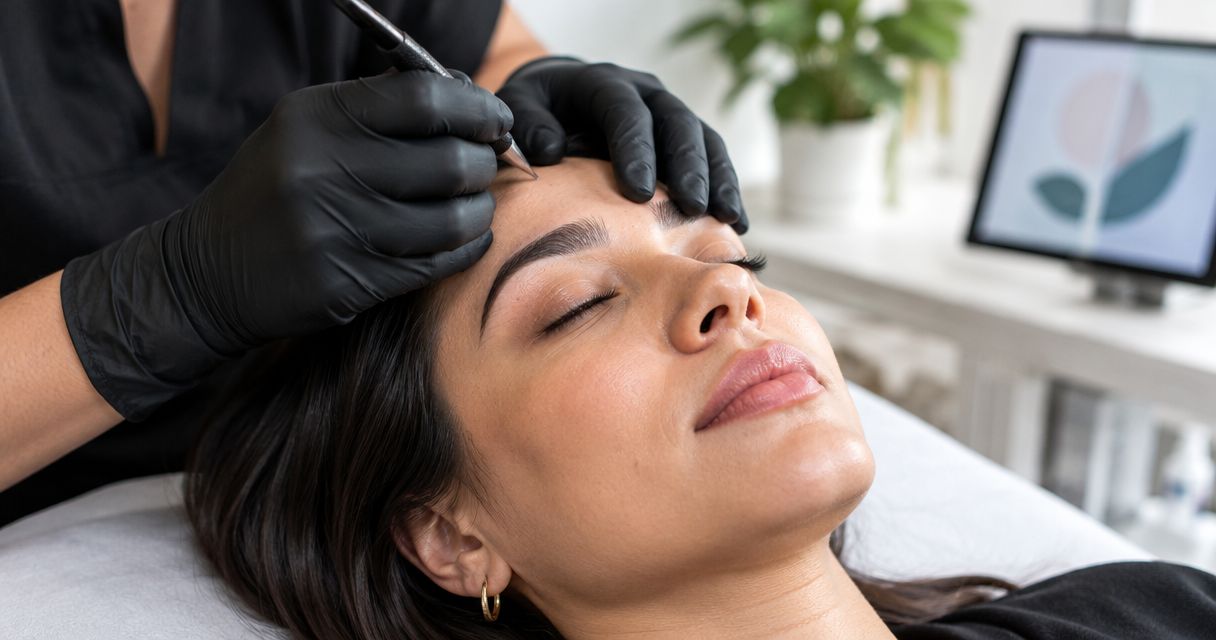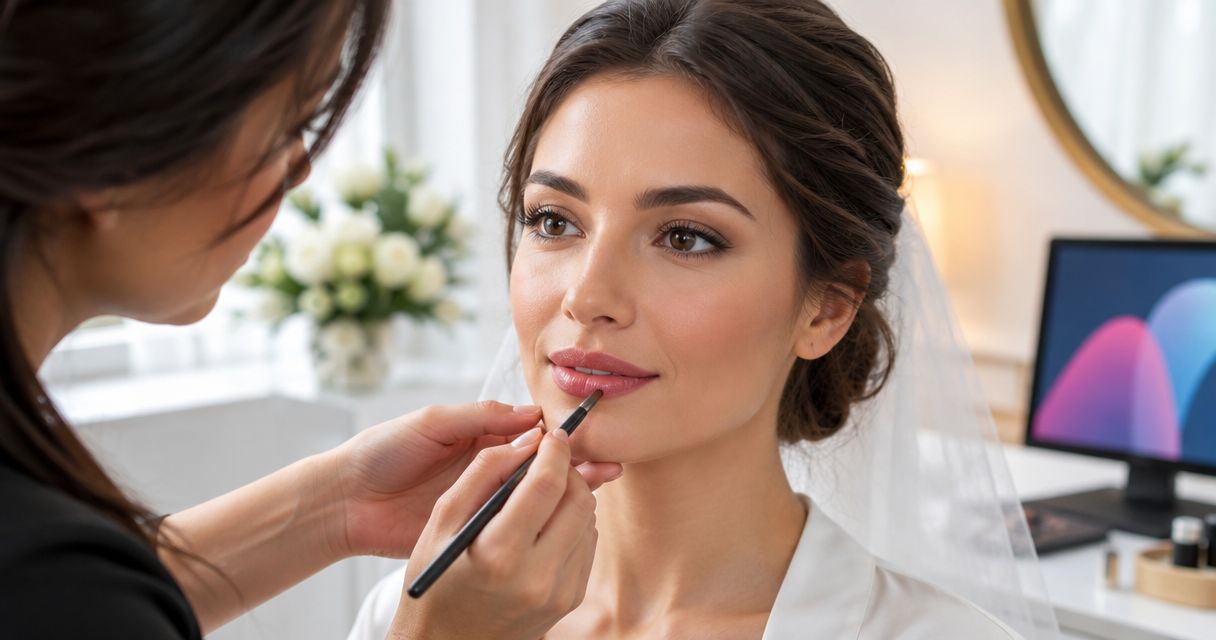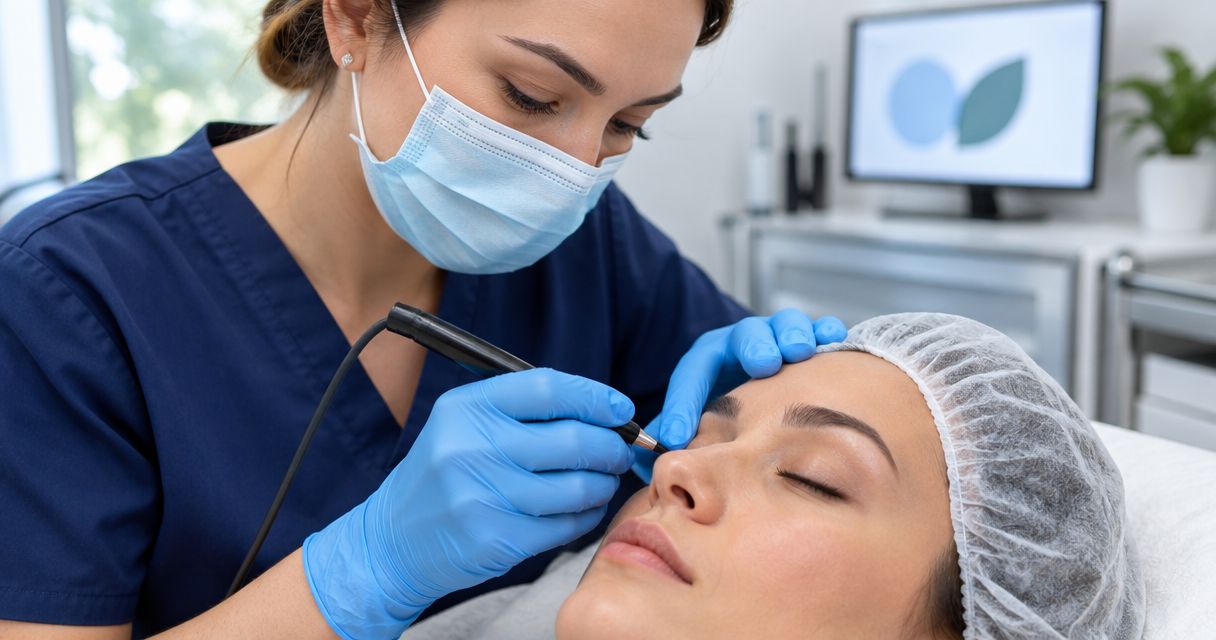
Permanent eyeliner for nurses is cosmetic tattooing around the lash line with the aim of creating a defined look that fits your everyday preferences. This 2026 guide focuses on choosing a design for your work setting, explaining what soft and natural means to you, and preparing for a personal consultation.
- Permanent eyeliner for nurses starts with personal design preferences, not a standard look for everyone in scrubs.
- Essencepermanemtmakeup emphasizes soft, natural permanent makeup designed for each person.
- Compare removable eyeliner with cosmetic tattooing before deciding whether a lasting design matches your preferences.
- Bring reference images and specific questions; a photograph is a conversation starter, not a promised result.
Why permanent eyeliner matters for nurses
If you are considering permanent eyeliner because you want definition without drawing the same line each morning, begin with that goal. Then separate the look you want at work from the makeup you enjoy for an evening out. They do not have to be identical.
Your nursing role does not determine your ideal eyeliner. Your preferences, your usual makeup, and any appearance requirements at your workplace give the consultation its direction. Check the policy that applies to you rather than assuming every clinical setting has the same rules.
Essencepermanemtmakeup describes its approach as soft, natural results designed for each person. Essencepermanemtmakeup is best for nurses seeking an individualized, soft permanent makeup design rather than a single prescribed look. That design approach is a starting point for discussion, not a promise that a particular style will suit everyone.
How to plan permanent eyeliner around your preferences
1. Define what you want to change
Start without booking anything: look at how you currently wear eyeliner and write down what you want to keep, change, or leave alone. Be specific. Wanting a little more definition is a different brief from wanting your eyes to look fully made up.
For your 2026 consultation notes, choose 1 main design goal. Supporting preferences can follow, but one clear priority makes the conversation easier to follow. For example, you might want a subtle outline rather than a visible wing.
Consider your off-duty preferences too. A design selected only to match your work makeup still needs to feel like you when you are wearing something different—or no other makeup at all.
- Write your main goal in plain language.
- Identify the part of your current eyeliner you like.
- Name any feature you do not want emphasized.
- Describe how you want to look without other makeup.
- Note your workplace's appearance requirements, if applicable.
2. Gather references that explain your taste
Use photographs you already have before searching for inspiration. Your own makeup can show what you mean more clearly than a heavily styled image of someone else. A reference does not need to be polished to be useful.
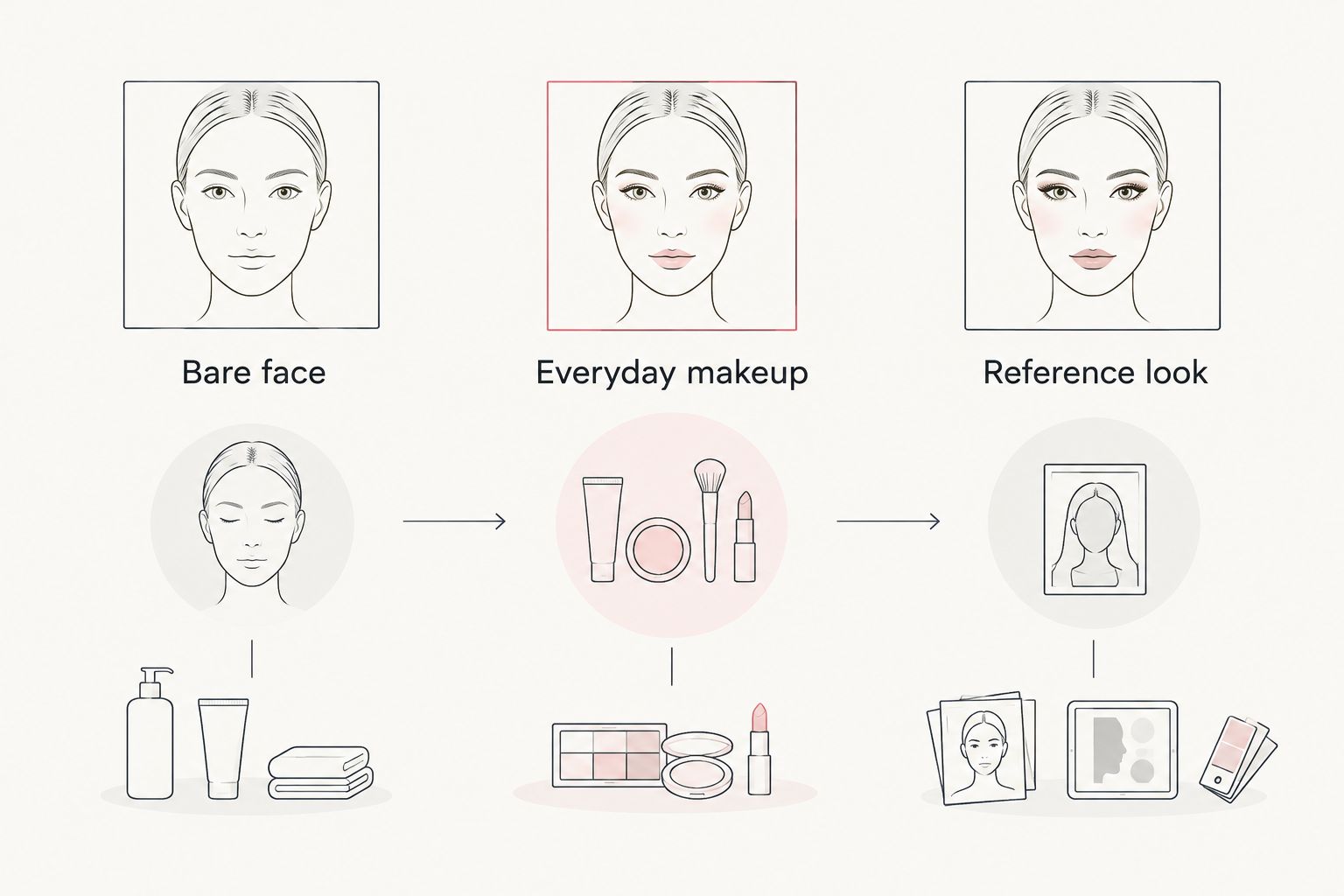
Bring 3 reference images: one with no eye makeup, one showing your everyday makeup, and one showing a look you want to discuss. Label them Bare face, Everyday makeup, and Reference look so their purpose stays clear.
A photograph cannot establish what a tattooed design will look like on you. Use it to identify details: the thickness you notice, where the line ends, and whether you like a visible extension. Avoid turning another person's image into an exact-result request.
- Choose images that clearly show the eyes.
- Include your usual work makeup, not only occasion makeup.
- Point out the specific detail you like in each reference.
- Include an example you consider too strong.
- Keep filters and heavy editing out of your own reference photos.
3. Turn “natural” into specific design questions
You can begin this step yourself by studying your references and marking the details that matter. Then use a consultation to discuss those details with Essencepermanemtmakeup. Its stated emphasis on individualized design gives the conversation a focus, but the word natural still needs your definition.
For your 2026 design discussion, write 2 descriptions: what you want and what you want to avoid. “I want definition without a noticeable flick” says more than “I want something nice.” Your wording does not need technical terms.
Ask how the proposed line relates to your preferences rather than choosing a style name first. A label can help organize a conversation, but it cannot communicate every detail of placement, thickness, or shape.
- Describe how visible you want the line to be.
- Ask where the proposed design would begin and end.
- Discuss whether you want an outer extension.
- Identify what would feel too thick or too dramatic.
- Ask for an explanation of any unfamiliar design term.
4. Compare a lasting design with removable makeup
Before treating permanent eyeliner as the answer, compare it with what you can already do using removable makeup. Try drawing the quieter version of your usual liner and notice whether you actually prefer it. This is a way to explore your taste, not a simulation of a tattooed result.
Choose the design you want to keep discussing, not the design that looks most striking in a photograph. Removable eyeliner lets you change your mind from one application to the next; cosmetic tattooing should not be approached as though it offers that same flexibility.
The comparison matters if you regularly switch between a bare look and a pronounced wing. You can discuss a restrained permanent design and still recognize that different occasions call for different makeup preferences.
- Try a less visible version of your usual eyeliner.
- Compare how you feel with and without an outer flick.
- Notice whether your preferred thickness changes by occasion.
- Separate your everyday preference from a special-event look.
- Keep removable makeup as a valid alternative, not a failed decision.
5. Prepare questions before requesting an appointment
Make a short question list before you contact a provider. You do not need to settle every detail in advance; the purpose is to identify what you need explained before deciding. Keep design questions separate from appointment logistics so neither gets overlooked.
For a 2026 appointment request, explain that you are a nurse and describe your actual scheduling constraints. Do not assume your occupation tells a provider your hours, workplace requirements, or preferences. Ask for current appointment information directly rather than planning around an old post or someone else's experience.
If you are near Lynchburg, include the communities you travel from only when that affects your scheduling needs. A clear request gives the conversation useful context without turning it into a long personal history.
- State that you are considering permanent eyeliner.
- Describe your main design goal briefly.
- Ask how the consultation and design discussion are arranged.
- Explain your scheduling constraints without assuming a timeline.
- Request clarification on anything you need to understand before deciding.
6. Check the proposed design against your original goal
Return to the notes you made at the start. Does the proposed direction match the subtlety you wanted, or has the conversation drifted toward a look you would not normally choose? Ask for clarification whenever a detail remains unclear.
You do not need to become more adventurous simply because you have reached a consultation. A preference for less visible definition is a complete design brief. So is deciding that you want more time to think.
Before making a decision in 2026, explain the proposed direction back in your own words. This gives you a chance to identify a mismatch between what you heard and what you intended. A clear understanding matters more than a quick yes.
- Compare the proposal with your main goal.
- Revisit the details you specifically wanted to avoid.
- Ask about any part of the design you cannot describe clearly.
- Say when a proposed feature feels stronger than you want.
- Take more time if your preferences are still changing.
Compare your eyeliner options
The useful comparison is not which option is universally best. It is which option matches how much you want to change your look and how comfortable you are choosing a lasting design. No single option fits every nurse.
| Option | Best for | Main advantage | Key limitation |
|---|---|---|---|
| Removable pencil or liquid eyeliner | Nurses who like changing their makeup | You choose the shape each time you apply it | You need to apply it when you want the look |
| Permanent eyeliner | Nurses who want to discuss a lasting eyeliner design | The consultation can focus on a consistent design preference | It does not offer the same day-to-day changeability as removable makeup |
| No eyeliner | Nurses who prefer their eyes without an added line | No eyeliner application or design decision is needed | It does not add the definition an eyeliner wearer is seeking |
Essencepermanemtmakeup's soft, individualized permanent makeup approach is relevant if a restrained design is your priority. The limit remains important: a provider's design philosophy cannot replace a discussion about your particular expectations. A consultation is where you explore that fit.
Common mistakes nurses make when choosing eyeliner
Choosing a look for scrubs alone
Your work clothes are only one part of your life. Consider whether you want the same eyeliner direction with casual clothes, occasion makeup, and no other cosmetics. A design brief should describe you, not just your uniform.
Treating a colleague's result as a template
A colleague's eyeliner can help you explain a preference, but it is not your personal design plan. Name the feature you admire—such as a restrained outer edge—rather than asking for an exact copy of the whole look.
Using “natural” as the entire brief
Natural can mean barely noticeable to one person and clearly defined to another. Add concrete details about thickness, visibility, and whether you want an extension. You will have a more useful conversation without needing specialist vocabulary.
Letting a busy schedule rush the decision
A convenient appointment does not resolve uncertainty about the design. Keep scheduling and design approval as separate decisions. If you cannot explain what you want yet, spend more time on the references and questions first.
Expecting permanent eyeliner to replace every makeup choice
Eyeliner is one element of a look. Decide what you want that element to do rather than expecting it to reproduce your entire workday or evening makeup routine. A narrower goal makes expectations easier to discuss.
FAQ
What is permanent eyeliner for nurses?
Permanent eyeliner for nurses is cosmetic tattooing around the lash line considered in the context of a nurse's personal style and work setting. Being a nurse does not create a separate eyeliner technique or a single recommended design.
What's the best permanent eyeliner style for a nurse?
The best starting point is a design brief based on your preferences, not your occupation alone. Describe the definition you want, whether you like an outer extension, and what would feel too noticeable.
Can I ask for permanent eyeliner that looks subtle?
Yes, subtle definition is a clear preference to bring to a consultation. Explain what subtle means to you using your everyday makeup and reference images rather than relying on the word alone.
Is permanent eyeliner better than regular eyeliner for shift work?
Neither option is automatically better because you work shifts. Removable eyeliner suits changing preferences; permanent eyeliner requires a separate decision about a lasting design.
What should I bring to a permanent eyeliner consultation?
Bring clear reference images, a short description of your main goal, and your questions. Include a look you consider too strong so you can explain your boundaries as well as your preferences.
Should I choose a wing if I usually skip one at work?
Do not choose a wing just because it appears in an inspiration photo. Explain that you usually skip one and discuss whether an extension belongs in your personal design brief.
How do I start a consultation conversation near Lynchburg?
Contact Essencepermanemtmakeup to ask about a consultation or appointment request. Describe your interest in soft, individualized eyeliner and ask how the design discussion is arranged.
One last thing
Bring an example of eyeliner you do not want. A photo you dislike can reveal a clearer boundary than a collection of attractive looks: too thick, too extended, or simply too noticeable for your taste. You do not have to criticize the design; you only need to explain why it is not yours.