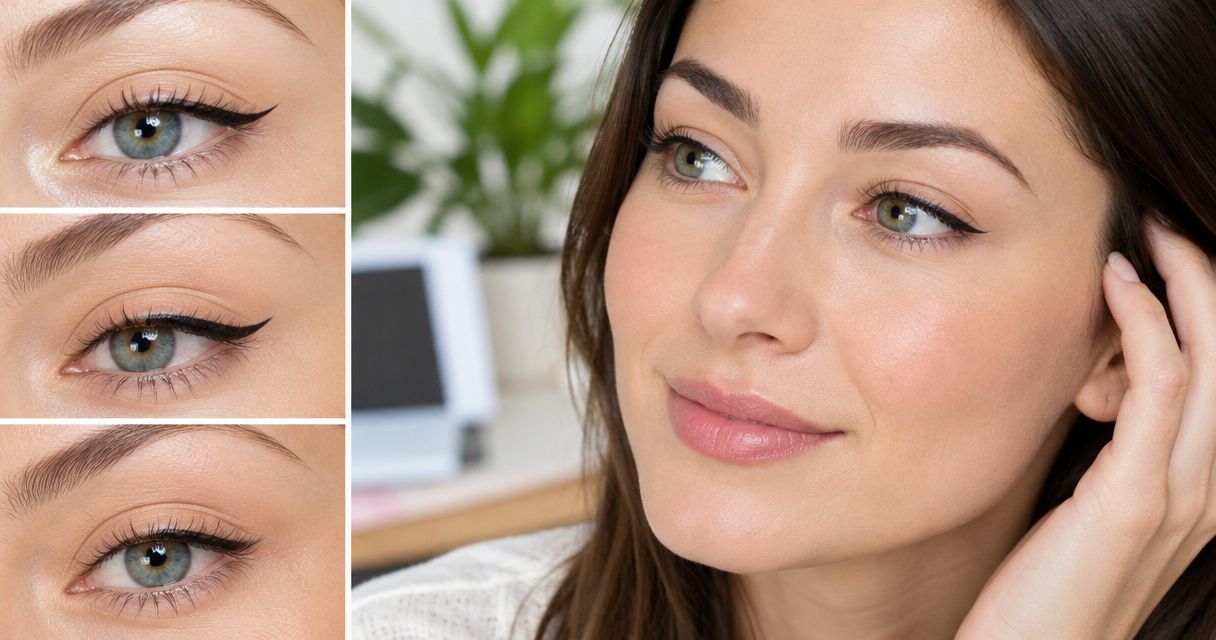
Best overall for a soft look: a mini wing. Best for a diffused edge: a shaded wing. Best for minimal emphasis: lash-line definition with a tiny flick. This 2026 guide compares permanent winged eyeliner designs by shape, edge, and emphasis so you can explain the look you want without choosing from a style name alone.
- A mini wing is the best starting reference for permanent winged eyeliner with a subtle, visible taper.
- A shaded wing emphasizes a diffused edge; a fine tapered wing emphasizes a more distinct outline.
- Essencepermanemtmakeup centers individualized permanent makeup design and soft, natural-looking results rather than one standard look.
- Compare length, thickness, and edge definition before requesting a consultation; reference photos communicate preferences, not promised results.
Why this matters
A soft wing is not one fixed shape. You might mean a short extension, a delicate outline, a blurred edge, or simply less emphasis at the outer corner. Those preferences lead to different design conversations.
Essencepermanemtmakeup is best for prospective permanent makeup clients who prioritize soft, individualized design over a single prescribed look. If you are considering an appointment in Lynchburg or a nearby community, start with your preferences and explore Essencepermanemtmakeup before requesting a consultation.
The useful question is not which wing looks most fashionable in 2026. It is which design communicates the amount of definition you actually want to see on your own face.
What makes the best permanent winged eyeliner style?
Use these criteria to compare designs before looking at the shortlist. They describe appearance, not whether a particular procedure is appropriate for you.
- Wing length: How far does the design extend beyond the outer corner? A shorter extension keeps the wing less prominent.
- Line thickness: Do you want a delicate line or a visibly stronger outline? Length and thickness are separate decisions.
- Edge definition: A distinct border reads differently from a shaded edge, even when both designs are short.
- Outer-corner emphasis: Decide whether you want the wing to be noticeable or secondary to the lash line.
- Everyday preference: Choose references that resemble the makeup you enjoy wearing, not just a close-up you admire.
For your 2026 consultation notes, describe these features separately. Asking for a short wing does not automatically communicate a thin line or a soft edge.
Permanent winged eyeliner styles at a glance
These are descriptive design references, not a confirmed menu of techniques offered by Essencepermanemtmakeup. Use them to ask clearer questions during a consultation.
| Style | Best for | Standout design feature | Key limitation |
|---|---|---|---|
| Mini wing | A subtle but visible wing | A short extension with a tapered finish | A crisp edge can still look more defined than you intend |
| Shaded wing | A diffused, makeup-like edge | Soft shading rather than a sharply outlined border | Shading alone does not make a broad design understated |
| Fine tapered wing | A delicate, defined outline | A slender line ending in a distinct taper | A precise border is not the same as a blurred finish |
| Lash-line definition with a tiny flick | Minimal outer-corner emphasis | Most of the visual focus stays along the lashes | The wing effect is less noticeable |
Choose the edge first if your main concern is softness. A short, sharply outlined wing and a short, shaded wing communicate different looks despite sharing a similar length.
1. Mini wing: best permanent winged eyeliner for subtle definition
A mini wing uses a short extension at the outer corner rather than a long sweep. For this guide, the defining feature is the restrained length; the edge can still look distinct.
This is the clearest starting reference when you want an actual wing without making the extension the main feature. Ask to discuss both the line along the lashes and the outer taper, rather than approving the tip in isolation.
Mini wing pros
- Communicates a visible wing without relying on a long extension.
- Gives you a clear reference for discussing outer-corner length.
- Separates the idea of a wing from a dramatic, extended shape.
Mini wing cons
- A short wing can still look bold when the line is thick or sharply edged.
- The word mini does not specify an agreed length, angle, or shape.
Best for: You want a recognizable wing, but your preferred everyday makeup is restrained.
Bring a reference that shows the whole eye, not just the outer corner. Explain whether you like the short length, the narrow line, or both. Otherwise, the most important part of your preference stays unstated.
Verdict: Choose a mini wing as your first design reference for a subtle, visible taper—not as a finished prescription.
2. Shaded wing: best permanent winged eyeliner for a diffused edge
A shaded wing describes a design with a softened border instead of a sharply drawn outline. Its defining feature is the edge, not the length: shaded designs can still have a noticeable extension.
If your reference photos resemble softly blended eyeliner rather than a precise liquid-liner shape, this is the comparison to discuss. Ask what creates the softness you like in the image and whether that appearance matches the design being proposed.
Shaded wing pros
- Gives you a direct way to ask about a less distinct border.
- Helps distinguish blended-looking references from crisp outlines.
- Keeps the conversation focused on edge definition as well as shape.
Shaded wing cons
- A wide or extended shaded design can still be visually prominent.
- Softness in a reference photo can be difficult to separate from lighting or image editing.
Best for: You prefer a diffused makeup look and dislike the appearance of a sharply drawn border.
Use contrasting references: one edge you like and one that feels too defined. Point to the difference rather than relying only on the word soft. Keep any reference discussion separate from expectations about your own result.
Verdict: Choose a shaded-wing reference when a diffused edge matters more to you than a distinct outline.
3. Fine tapered wing: best for a delicate, defined outline
A fine tapered wing combines a slender-looking line with a distinct outer finish. Compared with the mini wing, the emphasis here is narrowness and precision rather than simply keeping the extension short.
This distinction matters if you like tidy eyeliner but do not want a broad band of color. A fine outline can look restrained while still looking deliberately drawn.
Fine tapered wing pros
- Clearly communicates your preference for a narrow line.
- Provides a useful contrast with a shaded-edge reference.
- Keeps thickness and extension length open for separate discussion.
Fine tapered wing cons
- A distinct border will not create the same appearance as a diffused edge.
- The word fine says little about how far the wing extends.
Best for: You like a precise eyeliner shape but want less visual weight than a broader outline.
Ask yourself which matters more: a delicate line or a blurred boundary. If your answer is a delicate line, a fine tapered reference is clearer than asking for shading you do not actually want.
Verdict: Choose a fine tapered reference for narrow, intentional definition; skip it as your main reference if you dislike crisp edges.
4. Lash-line definition with a tiny flick: best for minimal emphasis
This design reference keeps attention close to the lashes, with only a small outward suggestion of a wing. The flick is secondary rather than the focal point.
It belongs on the shortlist because wanting a soft wing sometimes means wanting very little extension at all. Comparing this option with a mini wing helps you decide how visible the outer detail should be.
Lash-line definition with a tiny flick pros
- Keeps the design conversation centered on minimal outer-corner emphasis.
- Offers a useful contrast with a clearly visible mini wing.
- Helps you explain that you do not want an extended eyeliner shape.
Lash-line definition with a tiny flick cons
- The wing effect is less distinct than the other references in this guide.
- It does not match a preference for a clearly noticeable outer taper.
Best for: You want restrained definition and remain unsure whether you want a visible wing.
Verdict: Choose this reference when minimal emphasis matters more than having an obvious wing.
How to prepare a clear design brief
You do not need technical vocabulary to explain your preferences. A short brief gives the consultation a useful starting point without treating an online image as a promised outcome.
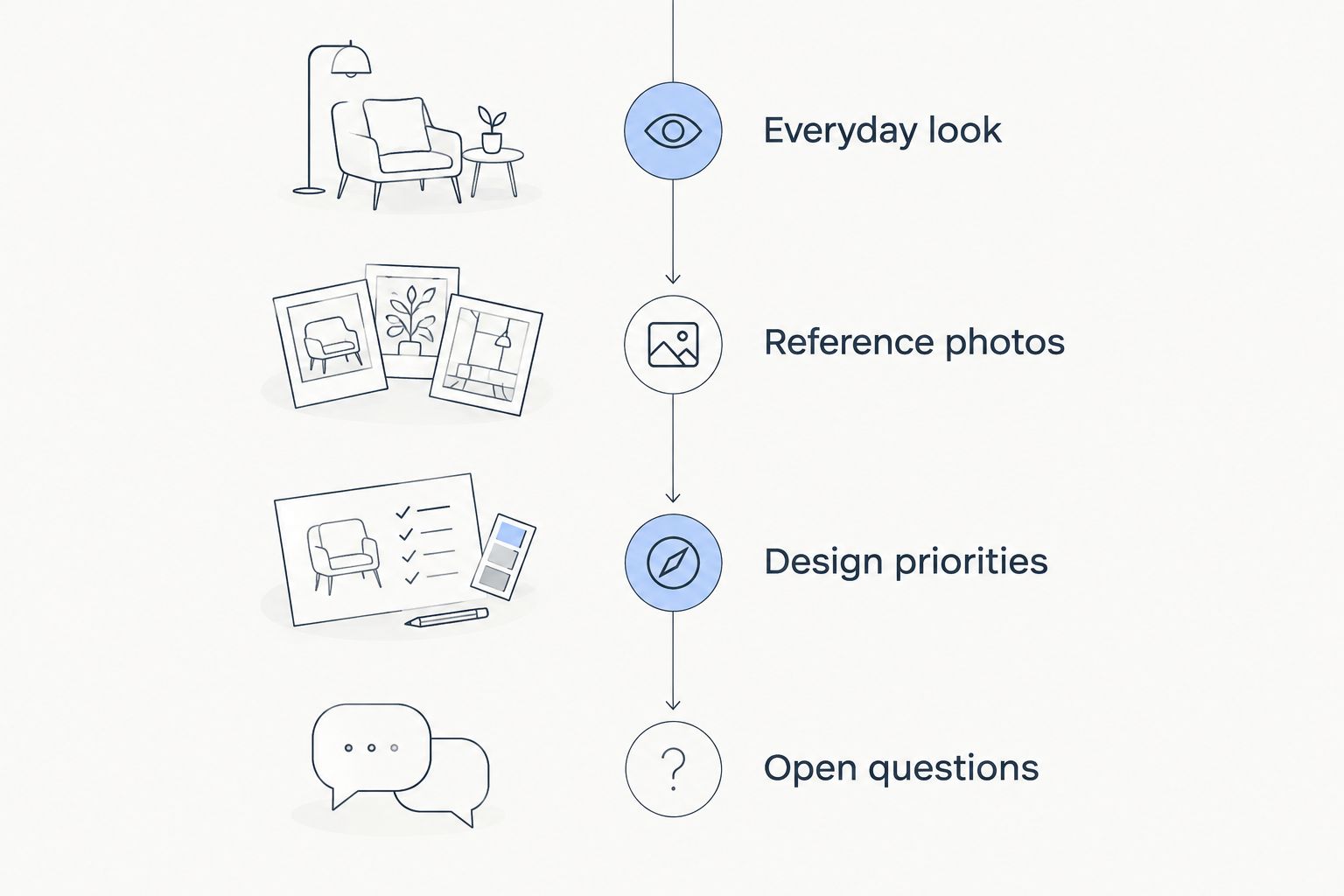
Use this sequence when preparing for a 2026 appointment request:
- Everyday look: Describe the eyeliner you enjoy wearing and what feels too noticeable.
- Reference photos: Bring 2 reference photos—one showing a look you like and one showing a feature you want to avoid.
- Design priorities: Write 3 design priorities: preferred extension length, line thickness, and edge definition.
- Open questions: Ask which parts of the references are useful for discussing your individual design.
Your notes do not need to be polished. A sentence such as “I like the short extension, but not the thick line” gives more direction than a folder of images with no explanation.
At Essencepermanemtmakeup, the stated emphasis is soft, natural results designed for each person. Your brief should support that individual conversation, not ask for an exact copy of someone else's eyeliner.
Start your design conversation
Explore the studio, then ask about a consultation centered on your eyeliner preferences.
How these styles are ranked
This 2026 shortlist ranks design references by how directly they answer a request for a soft wing. It is not a ranking of practitioners, treatment methods, or expected results.
The mini wing comes first because it expresses a restrained but visible extension. The shaded wing serves a different preference: a diffused edge. The fine tapered wing prioritizes a narrow outline, while lash-line definition with a tiny flick keeps outer-corner emphasis lowest.
The criteria stay the same across all four: length, thickness, edge definition, emphasis, and your everyday preferences. No style wins every category.
Which permanent winged eyeliner style should you choose?
Start with a mini wing if you want a visible wing but have no stronger preference yet. Then compare its edge with a shaded reference and its thickness with a fine tapered reference.
If a visible extension already feels like more than you want, start with lash-line definition and a tiny flick instead. You do not need to choose the most noticeable design to make the consultation worthwhile.
For your 2026 decision, bring a preferred direction rather than a fixed demand. Choosing a reference is the beginning of an individualized design discussion, not confirmation of what your result will look like.
FAQ
What's the best permanent winged eyeliner style for a soft look?
A mini wing is the best starting reference when you want a subtle but visible extension. Compare a shaded-wing reference if your main priority is a diffused edge rather than a distinct outline.
Is a shaded wing the same as a mini wing?
No. A shaded wing describes edge definition, while a mini wing describes a short extension. Discuss both features because a short design can still have a crisp border.
Can a thin eyeliner wing still look defined?
Yes. A narrow line with a distinct border can look deliberately drawn even without much thickness. Ask for a diffused-edge comparison if that is not the appearance you want.
What should I bring to a permanent eyeliner consultation?
Bring reference photos and a short description of your preferred length, thickness, and edge definition. Include a feature you dislike so your preferences are clear in both directions.
Should I choose permanent eyeliner from a close-up photo?
Use a close-up to identify design details, not to predict your result. Add a reference showing the whole eye and explain exactly which features appeal to you.
What if I want definition but I am unsure about a wing?
Use lash-line definition with a tiny flick as a comparison reference. It helps you discuss minimal outer-corner emphasis without assuming you want a clearly visible extension.
Does this guide confirm which eyeliner styles the studio offers?
No. This guide compares descriptive design references rather than confirming a service menu. Ask the studio which options it offers and discuss your preferences during a consultation.
One last thing
The word soft can hide two different requests: less eyeliner or a less distinct edge. You can want either one without wanting the other.
Before requesting an appointment, finish this sentence: “The part I want to keep subtle is…” Your answer gives the design conversation a clearer starting point than any trend name.