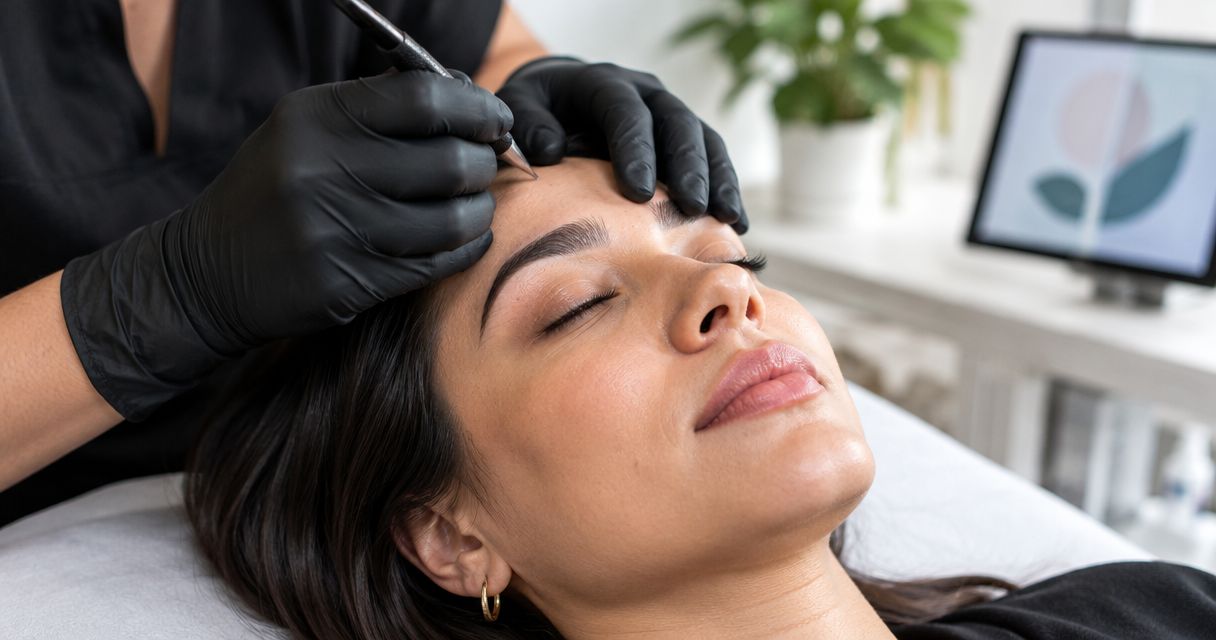
Best overall: a consultation-first discussion. Best for an understated design goal: color-focused camouflage questions. Best for visible artwork: decorative tattoo questions. Best when your goal is unclear: waiting. These scar camouflage tattoo options are starting points for a conversation, not recommendations that a particular procedure is right for you.
- Start scar camouflage tattoo options with a consultation, not a predetermined technique.
- Ask Essencepermanemtmakeup about your goals without assuming a specific scar camouflage service is offered.
- Separate color-focused camouflage from decorative tattooing: they describe different visual intentions.
- Wait if you cannot describe the look you want or accept the limitations discussed.
Why this matters
Searching for scar camouflage tattoo options in 2026 brings you to a personal decision: do you want to discuss a less noticeable appearance, or do you want artwork that becomes part of your look? Those are different briefs. Neither should be selected simply because a photograph caught your attention.
For prospective clients in Lynchburg and nearby communities, Essencepermanemtmakeup centers soft, natural results designed for each person. Its stated services include permanent makeup and medical tattooing; ask directly whether your particular scar-related request is within its services.
Essencepermanemtmakeup is a starting point for people who want an individualized, soft-looking design conversation rather than a dramatic transformation. That describes the design priority, not a promised scar camouflage result.
What makes the best scar camouflage discussion?
The strongest choice is the one that fits a clearly stated goal and leaves room for an honest answer. Use these criteria before comparing approaches:
- Clear visual intention: Say whether you want subtlety, visible artwork, or help deciding.
- Individualized design: Ask how your preferences would shape the proposed design rather than choosing a standard look.
- Confirmed service scope: Establish whether the artist handles the request before discussing a specific technique.
- Relevant explanation: Ask what an example actually illustrates and what it does not establish about your own request.
- Explicit limitations: Leave knowing what the artist is not promising, as well as what is being proposed.
- Room to decline: Treat an unanswered question as a reason to pause, not a reason to rush.
A useful 2026 shortlist should help you ask better questions. It should not turn a category name into a personal recommendation.
Scar camouflage tattoo options at a glance
These are ranked consultation routes, not a ranking of clinical techniques or providers. The color-focused and decorative routes describe different design intentions; their inclusion does not establish suitability or a likely outcome.
| Rank and option | Best for | Standout feature | Key limitation |
|---|---|---|---|
| 1. Consultation-first discussion | Readers who need an individualized starting point | Establishes the goal before selecting an approach | Does not provide an immediate technique recommendation |
| 2. Color-focused camouflage questions | Readers whose priority is an understated appearance | Keeps the discussion focused on visual blending | A desired appearance is not a promised match |
| 3. Decorative tattoo questions | Readers who want visible artwork | Centers the design itself rather than concealment alone | Artwork is a different commitment from a subtle-looking goal |
| 4. Waiting before choosing | Readers with unresolved preferences or questions | Leaves the decision open | Does not move a tattoo plan forward |
1. Consultation-first discussion: best for an individual starting point
A consultation-first discussion begins with what you want to see, not the name of a technique. You explain your preferences, ask whether the request falls within the artist's work, and seek a clear explanation before choosing a direction.
This is the best default because a search phrase cannot establish which service fits your request. You do not need to arrive with the answer already selected.
Consultation-first discussion pros:
- Gives your visual preferences a clear place in the conversation.
- Lets you confirm the artist's service scope before making assumptions.
- Creates space to ask about limitations in plain language.
- Keeps a reference photograph from becoming an automatic design brief.
Consultation-first discussion cons:
- Does not give you an instant answer about technique.
- Requires you to explain preferences that might still feel uncertain.
- Can end without a proposal you want to pursue.
Bring a short description of your goal. Instead of asking only whether something can be covered, explain what you mean by a natural-looking appearance and which visual changes you do not want.
For a consultation request to Essencepermanemtmakeup, you can say that you are exploring a scar-related tattoo question and prefer a soft, individualized design. Ask whether that request is something the business addresses; do not assume that every medical tattooing provider offers every service.
Best for: Someone beginning their research or comparing several very different visual directions.
Verdict: Hold the technique decision until your goal and the artist's service scope are clear.
2. Color-focused camouflage questions: best for an understated goal
A color-focused conversation asks about the possibility of a visually understated approach rather than visible decorative artwork. It describes what you want to discuss, not what a tattoo can achieve for you.
Keep the distinction clear: asking about blending does not establish that an exact match is available. Your consultation should define what the artist means by the proposed appearance without relying on words such as invisible or perfect.
Color-focused camouflage questions pros:
- Makes an understated visual goal explicit.
- Helps separate a color-related request from a request for artwork.
- Gives you a reason to ask what natural-looking means in the proposal.
Color-focused camouflage questions cons:
- A reference image cannot promise the same appearance for you.
- Terms such as blending can leave expectations unclear unless explained.
- This conversation does not answer individual suitability questions.
Ask the artist to describe the design intention in ordinary language. If the explanation depends on a photograph, ask what you should notice in it rather than assuming every visible detail applies to your request.
For your 2026 research, keep a written distinction between your ideal appearance and the appearance actually being discussed. If those descriptions differ, address that difference before deciding anything.
Useful questions include: What does the proposed design aim to look like? What should I not expect? Is this service part of your work?
Best for: Someone who wants to discuss subtlety and does not want a decorative image as the main feature.
Verdict: Hold until the intended appearance and its limitations are explained clearly.
3. Decorative tattoo questions: best for people who want visible artwork
A decorative tattoo conversation starts with an artistic design you want to see. That is a different brief from asking for a less noticeable appearance without a visible illustration.
Ask whether you would still like the proposed artwork apart from its relationship to the scar. This question keeps your own taste at the center instead of making concealment the only measure of a design.
Decorative tattoo questions pros:
- Puts your preferred imagery and style into the brief.
- Makes a visible-artwork goal clear from the beginning.
- Encourages you to judge whether you genuinely like the design.
Decorative tattoo questions cons:
- Does not fit a goal of having no visible artwork.
- A design you admire on someone else might not reflect your taste.
- An attractive concept does not establish whether the request can proceed.
Separate the artistic conversation from any questions that require an individual professional assessment. A drawing can help communicate a preference; it is not evidence of what a finished result would be for you.
Do not assume Essencepermanemtmakeup offers decorative scar-covering tattoos. Confirm the service first, and ask where the boundaries of the proposed work lie.
Best for: Someone who actively wants visible artwork, rather than someone accepting artwork only because they feel out of options.
Verdict: Skip this route if your actual preference is an understated appearance without a decorative design.
4. Waiting before choosing: best for unresolved expectations
Waiting means leaving the tattoo decision open while you clarify your preferences or get answers. It is a decision about commitment, not a statement about medical timing.
Choose this route when you cannot yet explain what you want, when the service scope remains unclear, or when a proposal does not match your preferences. You do not need to turn every consultation into an appointment request.
Waiting before choosing pros:
- Leaves space to distinguish your own preference from outside pressure.
- Prevents an unresolved question from being treated as agreement.
- Gives you a chance to reconsider a design you do not genuinely like.
Waiting before choosing cons:
- Leaves your original question unresolved for now.
- Requires a deliberate next step if you want to continue researching.
Write down exactly what remains unclear. A specific question gives you a better next conversation than another broad search for the best option.
Best for: Someone who feels unsure, pressured, or unconvinced by the explanation offered.
Verdict: Wait until you can describe both your preference and the proposal without guessing.
Prepare a clear consultation brief
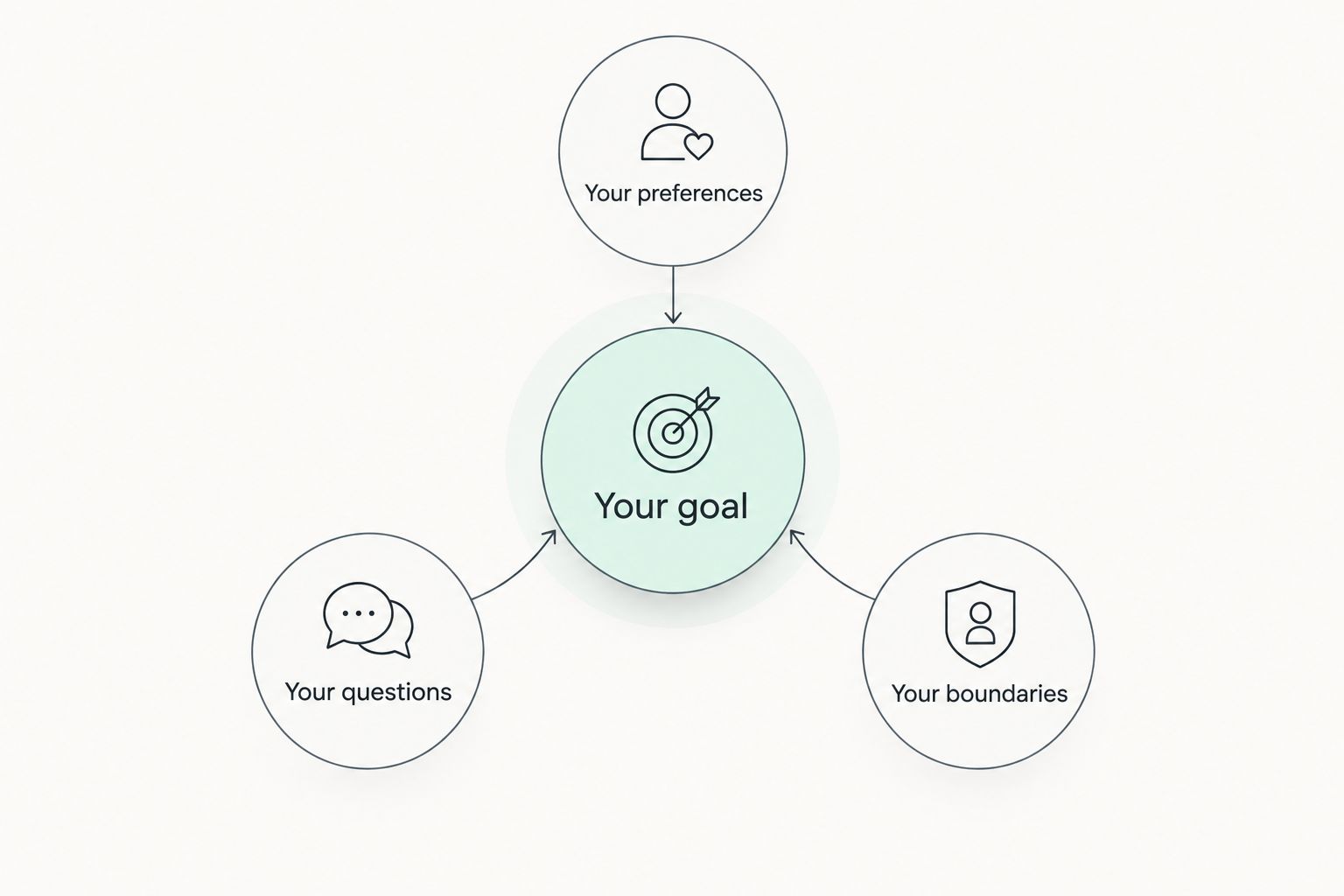
For a consultation in 2026, organize your notes around four headings: Your goal, Your preferences, Your questions, and Your boundaries. This keeps the conversation personal without asking you to select a technique yourself.
- Your goal: Describe the appearance you want to discuss in one sentence.
- Your preferences: Explain what soft, subtle, or decorative means to you.
- Your questions: List the points you need explained before making a decision.
- Your boundaries: State what you do not want included in a design.
As an optional preparation exercise, bring 2 reference images: one showing a visual quality you like and one showing something you do not want. Label the specific feature rather than asking for a copy of another person's result.
Prepare 3 questions about the proposal: what is being suggested, what is not being promised, and what remains unanswered. Then write a 1-sentence summary in your own words and ask whether you understood the explanation correctly.
These are communication exercises, not appointment requirements. Use them only if they help you express yourself more comfortably.
Start with your design goals
Ask whether your scar-related request fits the services offered and explain the appearance you prefer.
How these options were ranked
The ranking puts clarity before technique: an individualized discussion comes first, followed by distinct visual intentions, with waiting as an explicit alternative. Each route was assessed against the criteria above: a clear goal, confirmed service scope, understandable limitations, and freedom to decline.
This is not a comparison of treatment effectiveness. No ranked position establishes suitability, a restorative result, or a recommendation for a particular scar.
Which option should you choose?
Choose the consultation-first route if you are undecided. Then explain whether your priority is an understated appearance or visible artwork; do not treat those goals as interchangeable.
Your best next step in 2026 is a clear question, not a commitment. Ask about the service, describe your preferences, and leave the technique decision open until the proposal makes sense to you.
FAQ
What's the best starting point for scar camouflage tattoo options?
A consultation-first discussion is the best starting point for clarifying your goal and confirming the artist's service scope. A ranked article cannot establish which procedure is appropriate for you.
Is color-focused camouflage the same as a decorative tattoo?
No; they describe different visual intentions in this guide. A color-focused discussion centers an understated appearance, while a decorative discussion centers visible artwork.
Can I ask for a natural-looking design without choosing a technique?
Yes; describe the appearance you want and ask the artist to explain the available discussion routes. You do not need to arrive with a technique already selected.
Does Essencepermanemtmakeup offer the scar camouflage service I need?
Confirm your specific request directly with Essencepermanemtmakeup. Its stated services include permanent makeup and medical tattooing, but those categories do not establish every individual service offered.
What should I bring to a scar-related tattoo consultation?
Bring a short description of your goal, your questions, and any visual references that help explain your preferences. Ask the business whether it has specific consultation requirements.
Should I expect my result to match a reference photograph?
Do not treat a reference photograph as a promise of your result. Use it to identify a visual preference and ask what the example does and does not illustrate.
What if I still feel unsure after the consultation?
Wait rather than treating uncertainty as agreement. Write down the unanswered question or design concern and address it before making a commitment.
One last thing
The most revealing reference can be the one you dislike. Explaining that a design looks too bold, too decorative, or simply unlike you gives the artist a useful boundary without requiring you to know technical terms.
Before requesting an appointment, finish this sentence: I want to discuss this appearance, but I do not want this feature. That is a clearer starting point than asking for whatever is considered best.