Best overall: a soft lip-blush look. Best for barely-there color: a sheer tint. Best for definition: a softly blended contour. Best for a lipstick-like finish: fuller color. For low maintenance permanent lip makeup in 2026, choose the look around what you want to stop doing each morning—not around the boldest reference photo.
- For low maintenance permanent lip makeup, start with a soft lip-blush design brief rather than a dramatic color change.
- Essencepermanemtmakeup centers permanent makeup design on soft, natural results tailored to each person.
- Choose sheer tint for subtle color, blended contour for definition, or fuller color for a lipstick-like preference.
- Permanent lip makeup is not a promise of maintenance-free mornings; discuss realistic expectations before requesting an appointment.
Why your everyday lip look matters
A low-maintenance choice starts with a specific frustration. You might dislike choosing a lip color every morning, repeatedly drawing an outline, or feeling that your usual lipstick looks too strong without other makeup.
Those are different design goals. A more defined border does not answer the same preference as a soft wash of color, and a fuller-color reference does not tell an artist how subtle you want your everyday appearance to feel.
Essencepermanemtmakeup emphasizes soft, natural results designed for each person. That makes an individualized consultation the starting point—not a commitment to whichever style name sounds most appealing.
The options below are design directions to discuss, not standardized treatment categories or a list of confirmed services. Names alone do not establish how an artist creates a look or what you should expect from an appointment.
What makes the best low-maintenance lip makeup?
Use these criteria to compare your references before choosing a label:
- Everyday color: Choose a direction you would enjoy wearing without a full face of makeup.
- Color intensity: Separate your preferred shade from how noticeable you want that shade to appear.
- Edge definition: Decide whether you prefer a softly blended boundary or a more visible outline.
- Personal design: Ask how the proposed look relates to your own lips rather than copying another person's photograph.
- Realistic upkeep: Discuss future appointments and your likely use of ordinary lip products instead of assuming permanent means no maintenance.
For your 2026 shortlist, prioritize the criterion that solves your actual morning frustration. If you already dislike a visible lip line, a definition-focused design is not the default choice simply because it looks tidy in a close-up.
Permanent lip makeup options at a glance
| Design direction | Best for | Standout design feature | Main limitation |
|---|---|---|---|
| Soft lip-blush look | A balanced, everyday starting point | Soft color with a blended appearance | Too understated for someone seeking a strong lipstick look |
| Sheer tint | A barely-there color preference | Low visual intensity | Does not match a request for pronounced definition |
| Softly blended contour | An edge-focused design preference | Definition considered alongside surrounding color | A visible border can conflict with a no-outline preference |
| Fuller color | A more noticeable, lipstick-like preference | Color takes a larger visual role | Less aligned with a barely-there brief |
The table compares appearance goals, not guaranteed outcomes. Soft blush and sheer tint overlap; the useful distinction is whether you want a balanced everyday color statement or the least noticeable color direction.
1. Soft lip-blush look: best for everyday balance
A soft lip-blush brief asks for color that belongs in your everyday appearance rather than becoming its main feature. It combines a restrained color direction with an edge that does not read as a separate, strongly drawn line.
This is the best starting point if your goal is simply to look like yourself with a considered lip color. Bring a reference you like, but describe what attracts you: the shade, the softness, or the relationship between the lips and the rest of the face.
Soft lip-blush look pros:
- Gives the consultation a clear, understated design goal.
- Considers color and edge treatment together.
- Fits a preference for lips that do not dominate your makeup.
Soft lip-blush look cons:
- Does not match a request for an opaque lipstick appearance.
- The word soft is subjective unless you explain it.
- A reference photograph cannot establish your individual result.
Best for: You want an everyday color direction without making a pronounced lip outline the focus.
Ask the artist to distinguish between soft color and a soft border. You might like both, but they are separate choices; saying only “natural” leaves too much room for interpretation.
Verdict: Hold for an individualized design consultation; use soft lip blush as the default brief.
2. Sheer tint: best for barely-there color
A sheer-tint brief puts subtlety first. Think of it as a description of the visual effect you prefer, not a promise that permanent pigment behaves like a tinted balm.
Choose this direction when your favorite reference is the least noticeable one. The important question is whether you genuinely prefer minimal color or are choosing it because you feel unsure about making any decision.
Sheer tint pros:
- Makes a restrained color preference explicit.
- Keeps attention away from a strongly outlined border.
- Gives you a clear alternative to a lipstick-like reference.
Sheer tint cons:
- Does not answer a desire for bold color.
- Does not express a definition-first goal.
- “Barely there” still needs a shared visual reference.
Best for: You like a minimal makeup appearance and do not want lip color to become the first thing you notice.
Compare your references with your usual makeup habits. If you consistently choose strong lipstick for ordinary days, a sheer brief might describe the look you think you should want rather than the one you actually enjoy.
For a 2026 consultation, explain whether subtle means a muted shade, less visual intensity, a less defined edge, or all of those together.
Verdict: Hold until you can describe what barely-there color means to you.
3. Softly blended contour: best for an edge-focused preference
A softly blended contour brief starts with the lip boundary. It asks how to express definition without treating the outline as a visually separate stripe.
This direction belongs on your shortlist if your main concern is how the edge looks, rather than how much color appears across the lips. Discuss it as a cosmetic design preference, not a request to change your underlying lip shape.
Softly blended contour pros:
- Makes edge definition the central discussion.
- Separates the border preference from the overall shade.
- Encourages a conversation about how the edge and surrounding color relate.
Softly blended contour cons:
- Conflicts with a preference for no noticeable boundary.
- Does not, by itself, specify the color across the lips.
- The term contour can mean different things in different descriptions.
Best for: You want to discuss a more deliberate-looking edge while keeping the overall design soft.
Ask the artist to explain the proposed boundary in plain language. Where do you want definition to be noticeable, and where would you rather it blend into the overall appearance?
Avoid choosing this option solely because a close-up looks precise. You need to like the design as part of your whole face, not just as a cropped detail.
Verdict: Hold until the proposed edge matches your preference without relying on the word contour alone.
4. Fuller color: best for a lipstick-like preference
A fuller-color brief makes visible color a larger part of the design. It suits a reader whose preferred everyday look is more noticeable than a soft tint.
Treat lipstick-like as a visual reference, not a promise to reproduce your favorite lipstick's texture, finish, or exact appearance. Those details belong in the consultation rather than being assumed from the name.
Fuller color pros:
- Clearly communicates a preference for more noticeable color.
- Gives a useful contrast against sheer references.
- Fits a brief in which lip color is an intentional focal point.
Fuller color cons:
- Less aligned with a barely-there appearance.
- A favorite lipstick does not establish a permanent makeup result.
- A strong reference can distract from your ordinary, makeup-light preferences.
Best for: You genuinely enjoy visible lip color on ordinary days, not just for photographs or special occasions.
Before choosing this direction, look at your references without focusing on the model's other makeup. Would you still want that level of lip emphasis with the clothes, hairstyle, and makeup you wear most often?
Verdict: Skip fuller color if your priority is an understated look; otherwise, hold for a detailed design discussion.
Turn your preference into a clear consultation brief
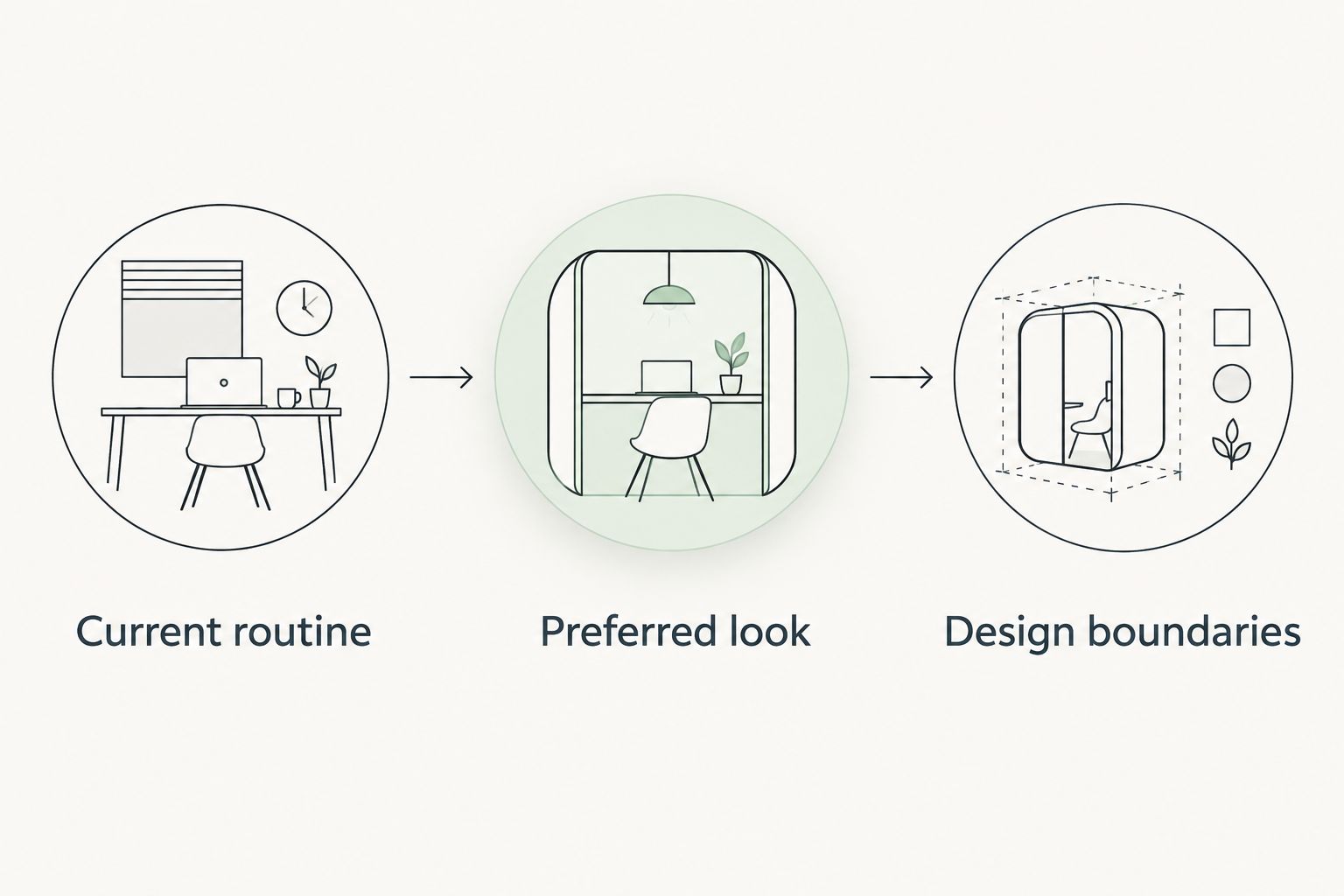
You do not need technical vocabulary to explain what you want. A useful brief connects your current routine to a visual preference and then identifies what you do not want.
Use this sequence:
- Current routine: Describe the lip product or outlining step you would most like to simplify.
- Preferred look: Explain whether color, subtlety, or definition matters most.
- Design boundaries: Name the features you do not want, such as a strong outline or a pronounced color statement.
Bring 3 reference photos as a practical conversation aid: one you like, one that feels too strong, and one that feels too subtle. These are discussion prompts, not a prediction of your result.
Compare your ordinary makeup in 2 lighting settings, such as daylight and your usual indoor light. Use that comparison to explain your preferences rather than to choose a pigment yourself.
Finally, write 1 sentence that states your priority. For example: you want a soft color direction, dislike a separate-looking outline, and prefer lips that do not dominate your face.
For a 2026 appointment request, that short brief is more useful than a collection of trend names. Ask what the consultation includes and which questions need answering before you decide.
Start with your preferred look
Describe your everyday lip routine and ask about an individualized permanent makeup consultation.
How these options are ranked
The ranking puts an understated everyday brief first, then separates the alternatives by their main purpose: minimal color, edge definition, or fuller color. It follows the criteria above rather than treating the most noticeable design as the best one.
This is a preference-based guide, not a clinical comparison or a ranking of appointment results. The best option is the one whose design goal matches yours before you commit.
Which permanent lip makeup option should you choose?
Start with soft lip blush if you are undecided. It gives you a balanced way to discuss color and edges without beginning from a dramatic reference.
Choose sheer tint when subtlety is your main requirement. Choose a softly blended contour when the boundary matters most, and consider fuller color only when a noticeable lip is genuinely your everyday preference.
Essencepermanemtmakeup is best for prospective permanent makeup clients seeking an individualized, soft, natural design direction. Bring your preferences into the conversation and ask for realistic expectations before making an appointment decision.
FAQ
What's the best low maintenance permanent lip makeup for a natural look?
A soft lip-blush design brief is the best starting point for an understated everyday preference. Discuss color intensity and edge definition separately so natural has a clear meaning in your consultation.
Is lip blush better than a sheer tint?
Neither design direction is better for every person. A soft lip-blush brief balances color and edges, while a sheer-tint brief puts barely-there color first; the names can overlap.
Can permanent lip makeup replace my lipstick every morning?
Do not choose permanent lip makeup on the assumption that it will replace every lip product. Explain which part of your routine you want to simplify and discuss realistic expectations before deciding.
What should I ask for if I don't want an obvious lip outline?
Ask to discuss a softly blended edge rather than a separate-looking outline. Bring contrasting references so you can show exactly what feels too defined.
How do I choose between subtle and fuller lip color?
Choose according to the appearance you enjoy on ordinary days. If your preferred look changes with the occasion, explain both preferences rather than presenting a special-event photograph as your everyday goal.
What should I bring to a permanent lip makeup consultation?
Bring examples of a look you like, a look that feels too strong, and a look that feels too subtle. Add a short description of your current routine and the step you want to simplify.
How do I start a permanent makeup conversation with Essencepermanemtmakeup in Lynchburg?
Start by describing your preferred lip appearance and asking about a consultation. For a 2026 request, state whether your priority is soft color, subtlety, or edge definition rather than asking for a guaranteed result.
One last thing
Your most useful reference might be the one you do not like. Explaining that an outline feels too separate or a color feels too noticeable gives the consultation a concrete boundary that “make it natural” cannot provide alone.
Keep that example alongside your favorite. A clear preference includes both what you want and what you want to avoid.