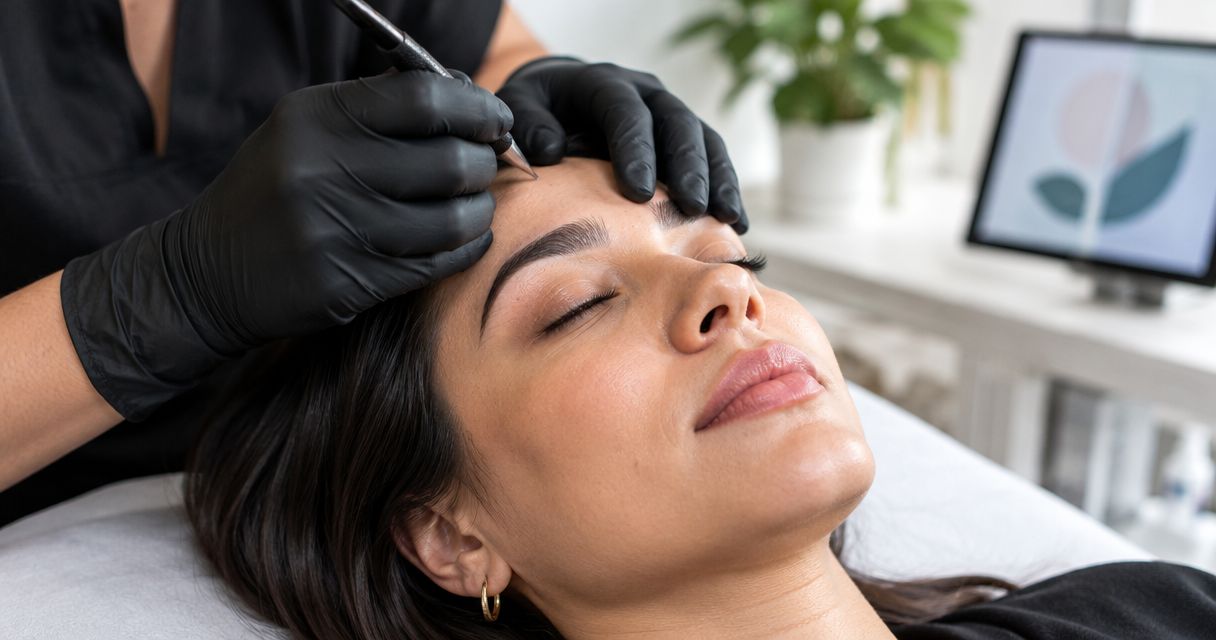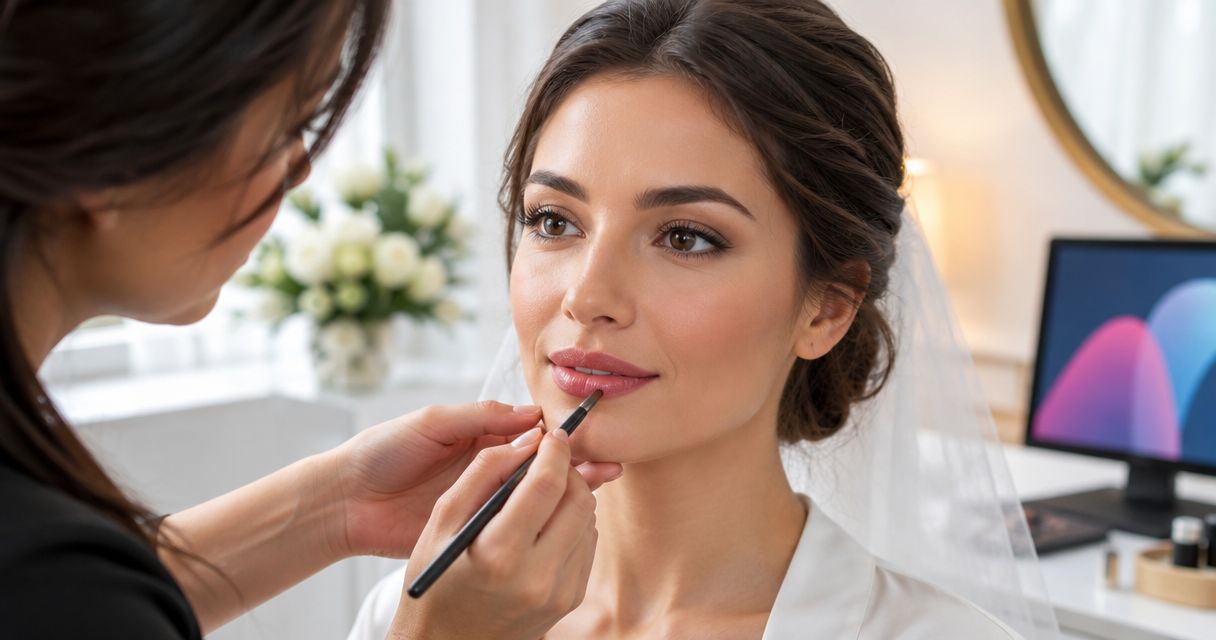
Best overall: lash-line definition. Best for a visible everyday line: fine upper eyeliner. Best for subtle outer emphasis: tapered upper eyeliner. Best for a deliberate flick: a short soft wing. This 2026 guide to permanent eyeliner for glasses wearers compares design choices, with the starting point at Essencepermanemtmakeup being a soft, natural look designed for you—not a rule based on your frames.
- For permanent eyeliner for glasses wearers, start with lash-line definition when your priority is understated detail.
- Fine upper eyeliner suits readers who want a visible line without a wing.
- Tapered upper eyeliner adds outer emphasis; a short soft wing makes the flick part of the design.
- Essencepermanemtmakeup centers individualized design and realistic expectations, rather than one ideal eyeliner shape.
Why your glasses belong in the design conversation
Your glasses are part of the look you see every day. Eyeliner should be considered alongside them, not selected from a close-up photograph that leaves the frames out.
Start with what you want to notice in the mirror: a little definition at the lashes, a visible upper line, or an intentional outer flick. Those are different design goals. None requires you to choose the boldest style just because you wear glasses.
Essencepermanemtmakeup is best for permanent eyeliner clients whose priority is a soft, natural design shaped around their preferences. For prospective clients in Lynchburg and nearby communities, the useful next step is a consultation about that preference—not a commitment to a particular style before the design discussion.
The rankings below compare appearance and design trade-offs. They are not a statement that every option is offered or appropriate for every person.
What makes the best permanent eyeliner for glasses wearers?
Use these criteria to assess your options in 2026. A style earns its place by matching your preferred look, not by being more noticeable than the others.
- Visible definition: Decide whether you want the lash area emphasized or a clearly separate eyeliner line.
- Frame balance: Compare the proposed design with your everyday glasses on and off.
- Outer-corner shape: Choose whether the line should stop quietly, taper, or finish in a visible flick.
- Everyday fit: Use your ordinary makeup habits as the starting reference, rather than a special-occasion look.
- Personal preference: Keep the features you actually like about your usual eyeliner. A fashionable shape is not a requirement.
- Clear expectations: Ask what the proposed design includes and what remains to be discussed before making an appointment decision.
Do not choose line thickness solely to compete with a frame. First decide how much eyeliner you want when the glasses are off, then consider the combined look.
Permanent eyeliner styles at a glance
These are descriptive design categories, not named service packages. Use them to explain your preferences during a consultation.
| Rank and style | Best for | Standout design feature | Main limitation |
|---|---|---|---|
| 1. Lash-line definition | The most understated starting point | Emphasis stays close to the lashes | Does not provide a distinct wing or prominent eyeliner outline |
| 2. Fine upper eyeliner | A visible everyday line | A narrow line follows the upper lash area | Still reads as eyeliner rather than lash detail alone |
| 3. Tapered upper eyeliner | Subtle outer emphasis | The line changes width toward the outer section | Adds more shape than an evenly fine line |
| 4. Short soft wing | A deliberate outer flick | A short extension makes the outer finish part of the look | Requires a preference for the wing with glasses both on and off |
1. Lash-line definition: best for understated detail
Lash-line definition keeps the visual emphasis close to the lashes instead of making an extended shape the main feature. It is the first style to discuss if your goal is quiet definition rather than an obvious eyeliner look.
For glasses wearers, the decision is straightforward: do you want the eye area to look more defined without choosing a separate flick? If so, use this as the baseline against which you compare the other options.
Lash-line definition pros:
- Keeps the design focus close to the lashes.
- Does not depend on an outer wing for its shape.
- Gives you a clear understated reference for the consultation.
Lash-line definition cons:
- Does not match a preference for a clearly visible eyeliner outline.
- Does not include the outer extension that wing lovers want.
Bring a reference that shows the whole face, not just a tightly cropped eye. Describe which detail you like: the lack of a flick, the restrained outline, or the overall softness. That explanation is more useful than asking for an exact copy.
Best for: You want the least visually assertive option in this comparison.
Verdict: Choose lash-line definition as the starting discussion when understated detail is your priority.
2. Fine upper eyeliner: best for a visible everyday line
Fine upper eyeliner creates a recognizable line along the upper lash area without making a wing the defining feature. Choose this design direction when you want the eyeliner itself to be visible, rather than keeping the effect entirely focused on the lashes.
The useful distinction is visibility, not drama. Explain what a fine line means to you by showing an example and identifying the outline you like.
Fine upper eyeliner pros:
- Makes the upper line part of the intended look.
- Provides a design direction without requiring an outer flick.
- Fits a brief centered on a restrained, everyday eyeliner outline.
Fine upper eyeliner cons:
- Is more visibly makeup-like than lash-line definition.
- Does not provide the outer extension of a wing.
Compare the outline with your glasses off before deciding whether it needs more emphasis with them on. Otherwise, you risk choosing a design goal you only like as part of one particular frame-and-makeup combination.
Avoid asking for a universally correct width. Ask instead whether the proposed line reflects the level of definition you want to see on an ordinary day.
Best for: You like a visible upper line but do not want a wing to lead the design.
Verdict: Choose fine upper eyeliner when a clear, restrained outline is the goal.
3. Tapered upper eyeliner: best for subtle outer emphasis
Tapered upper eyeliner changes width along the upper line, placing more visual emphasis toward the outer section. In this comparison, it means a shaped upper line without making an extended flick the main feature.
Discuss this option if an evenly fine line feels too uniform, but a wing is not what you want. Be specific about the finish: outer emphasis and an outward extension are separate requests.
Tapered upper eyeliner pros:
- Makes the line shape more intentional toward the outside.
- Offers an alternative to an evenly narrow outline.
- Lets you discuss outer emphasis without automatically requesting a wing.
Tapered upper eyeliner cons:
- Adds more visible shaping than a uniform fine line.
- Needs a clear description because “tapered” does not specify the exact finish.
Try describing the contrast you want between the inner and outer portions of the line. You do not need technical vocabulary; “less noticeable here, a little more defined there” communicates a preference.
Keep your glasses in the conversation, but do not let the frame outline become a template for the eyeliner. The two shapes do not need to repeat each other.
Best for: You want the outer section to have more presence without choosing a distinct flick.
Verdict: Choose tapered upper eyeliner when outer emphasis matters more than a wing.
4. Short soft wing: best for an intentional outer flick
A short soft wing includes an outward extension as part of the eyeliner design. It belongs on your shortlist when you already know you like that flick—not because glasses are assumed to need extra eyeliner.
“Short” and “soft” describe a direction, not an exact shared measurement. Use a reference to show what you mean, then discuss the proposed design in relation to your own preferences.
Short soft wing pros:
- Makes an outer flick an explicit part of the brief.
- Gives wing wearers a clear design direction to discuss.
- Separates a preference for extension from a preference for thickness.
Short soft wing cons:
- Is not the quietest option in this comparison.
- Needs closer attention to whether you like the extension without glasses.
Do not choose a wing simply to echo the corner of a frame. Consider whether you would request the same general look while wearing a different pair.
If you only enjoy winged liner for occasional dressed-up looks, explain that distinction before deciding on this direction. Your everyday preference deserves more weight than a reference chosen for one event.
Best for: You consistently prefer an outer flick as part of your eyeliner look.
Verdict: Choose a short soft wing only when the flick itself is something you want.
How these styles are ranked
The 2026 ranking starts with understated definition and moves toward more explicit shaping. It follows the criteria above: visible definition, frame balance, outer-corner shape, everyday fit, personal preference, and clear expectations.
This is a preference-based buying guide, not a performance test. Lash-line definition is the default because it most directly matches the stated goal of a soft, natural starting point; the other styles serve different preferences rather than being lesser versions of it.
Prepare a clear consultation brief
You do not need to arrive with the final answer. A short brief gives the conversation a useful starting point while leaving room to discuss the actual design.
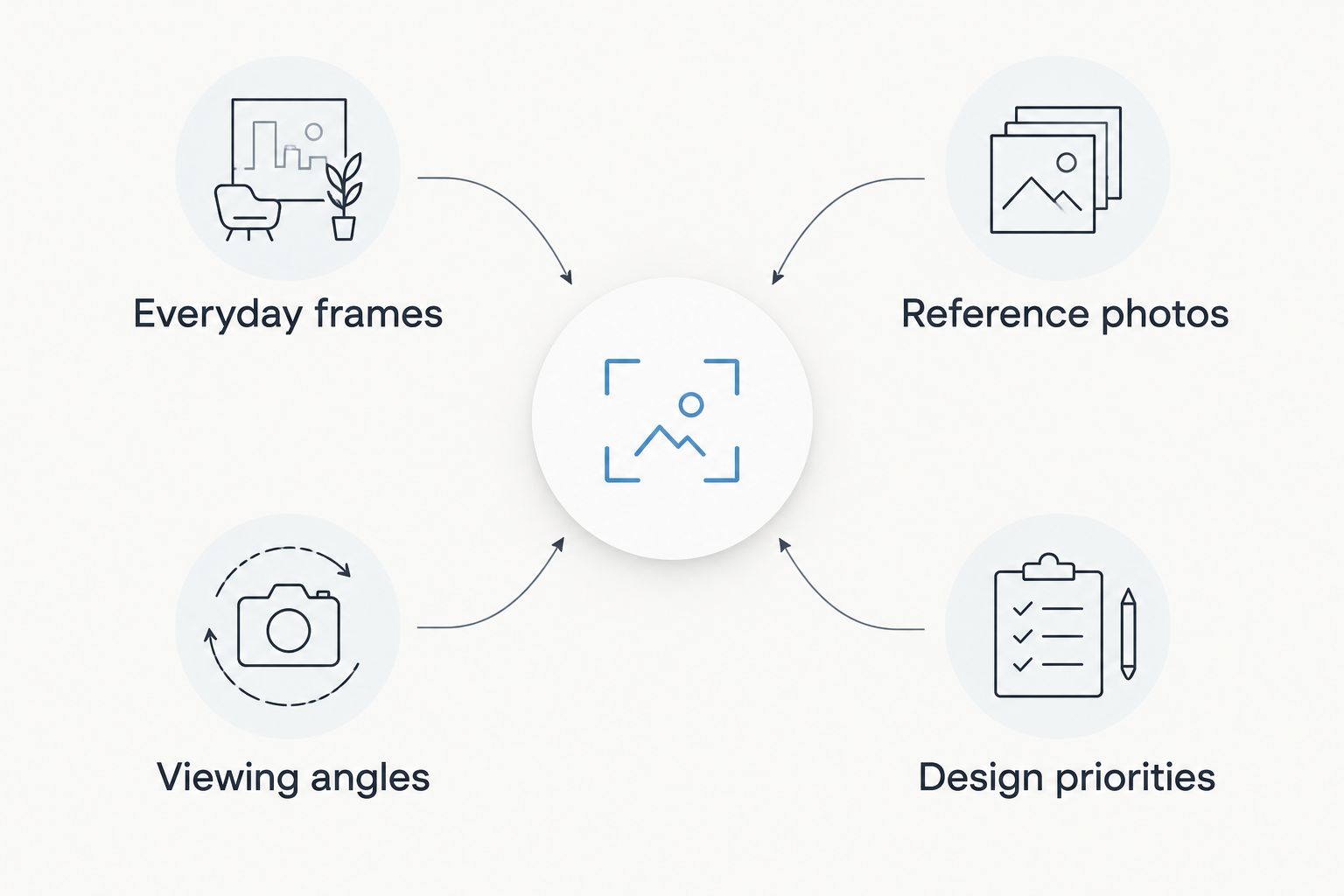
Everyday frames
Bring 1 everyday pair of glasses to the conversation. If you regularly switch frames, explain which pair you wear most and what you like about each look.
Reference photos
Choose 2 reference photos: one showing a detail you like and another showing something you do not want. Label the reason in plain words, such as “visible flick” or “too much outline.”
Viewing angles
Ask to consider the proposed design from 3 viewing angles: front, left, and right. Also discuss the overall impression with your glasses on and off, rather than judging only a close-up.
Design priorities
Write down your main preference before discussing smaller details. “I want quiet definition” and “I want a visible wing” are clearer starting points than “I want whatever looks best.”
At Essencepermanemtmakeup, make your permanent eyeliner discussion about the result you are hoping to see, while keeping expectations realistic. Ask what the next step involves before deciding whether to request an appointment.
Start your design conversation
Discuss your glasses, everyday makeup preferences, and the level of definition you want.
Which permanent eyeliner style should you choose?
Start with lash-line definition if you are undecided and your priority is an understated look. Move to fine upper eyeliner if you want a separate visible line, tapered upper eyeliner if you want outer emphasis, or a short soft wing if you specifically want a flick.
For a 2026 consultation, keep that choice provisional until you have discussed the proposed design. A style name should help you explain yourself, not lock you into an outline before the conversation begins.
You also do not need to choose more definition simply because your frames are noticeable. The right brief is the one that describes your own everyday preference clearly.
FAQ
What's the best permanent eyeliner for glasses wearers?
Lash-line definition is the best starting point in this guide when your priority is understated detail. Fine upper eyeliner, tapered upper eyeliner, and a short soft wing serve different preferences for visibility and shape.
Do glasses wearers need thicker permanent eyeliner?
Wearing glasses alone is not a reason to request thicker eyeliner. Decide how much definition you want with your glasses off, then discuss the combined look with your everyday frames.
Is lash-line definition the same as a soft wing?
No. Lash-line definition keeps the visual focus close to the lashes, while a soft wing includes an outward extension as part of the design.
Can I ask for a natural look and still discuss a wing?
Yes, you can describe both preferences during a consultation. Explain what natural means to you and show the particular wing detail you like, without assuming a reference can be copied exactly.
What should I bring to a permanent eyeliner consultation in 2026?
Bring your everyday glasses and reference photos that explain what you like and dislike. A short note about your usual makeup preferences also helps keep the discussion focused.
Should I choose eyeliner to match my current frames?
Consider your current frames, but do not use their shape as the sole design rule. Discuss whether you like the proposed eyeliner both with glasses and without them.
Where should I start if I want soft permanent eyeliner in Lynchburg?
Start with a consultation conversation at Essencepermanemtmakeup about individualized design and realistic expectations. Describe your glasses, preferred level of definition, and whether you want an outer flick before choosing a style.
One last thing
Make a note about your current eyeliner before looking for more reference photos. What do you keep, soften, or remove when getting ready on an ordinary morning?
Bring that note to your 2026 consultation. It gives you a personal starting point that a fashionable photo cannot supply: a description of what you actually enjoy wearing.