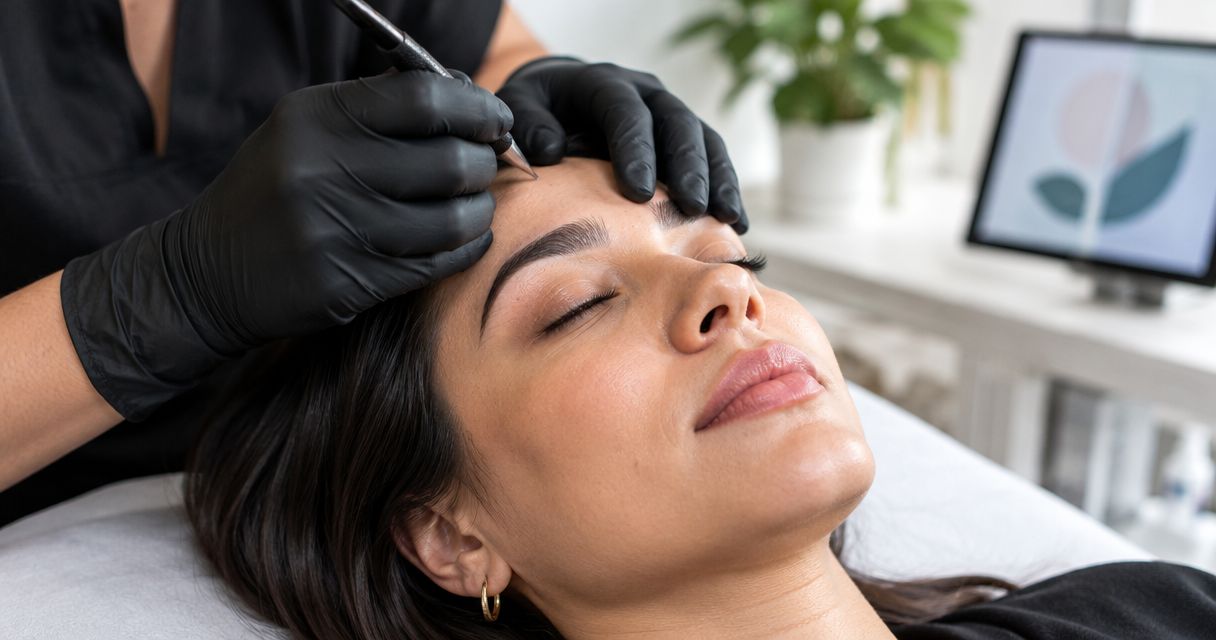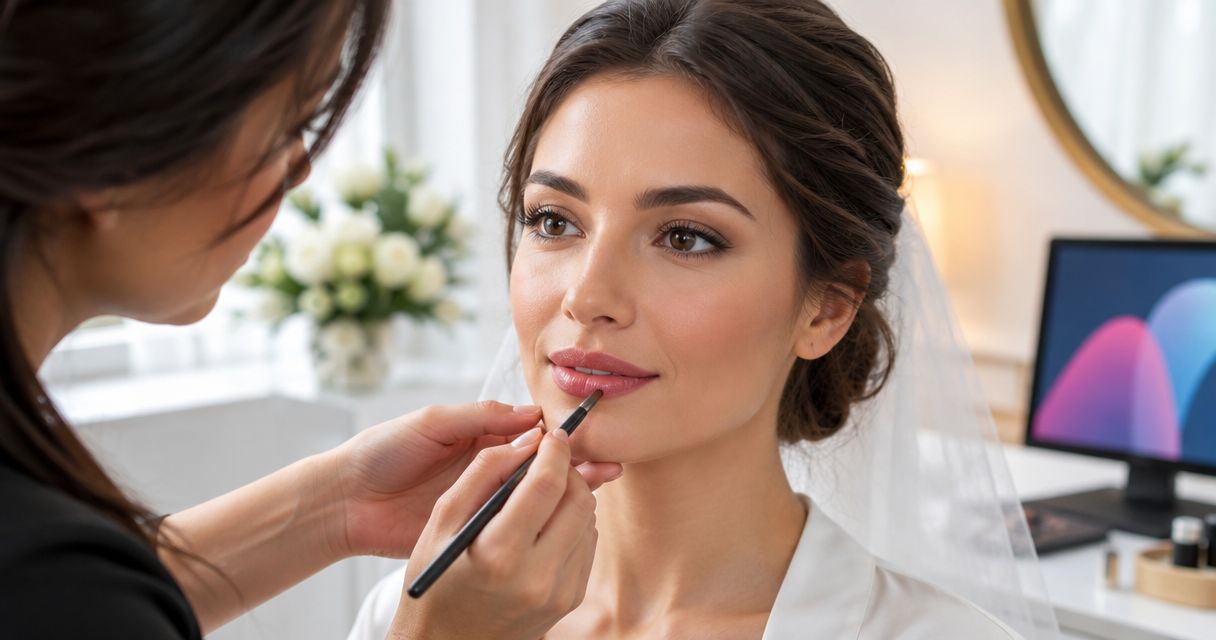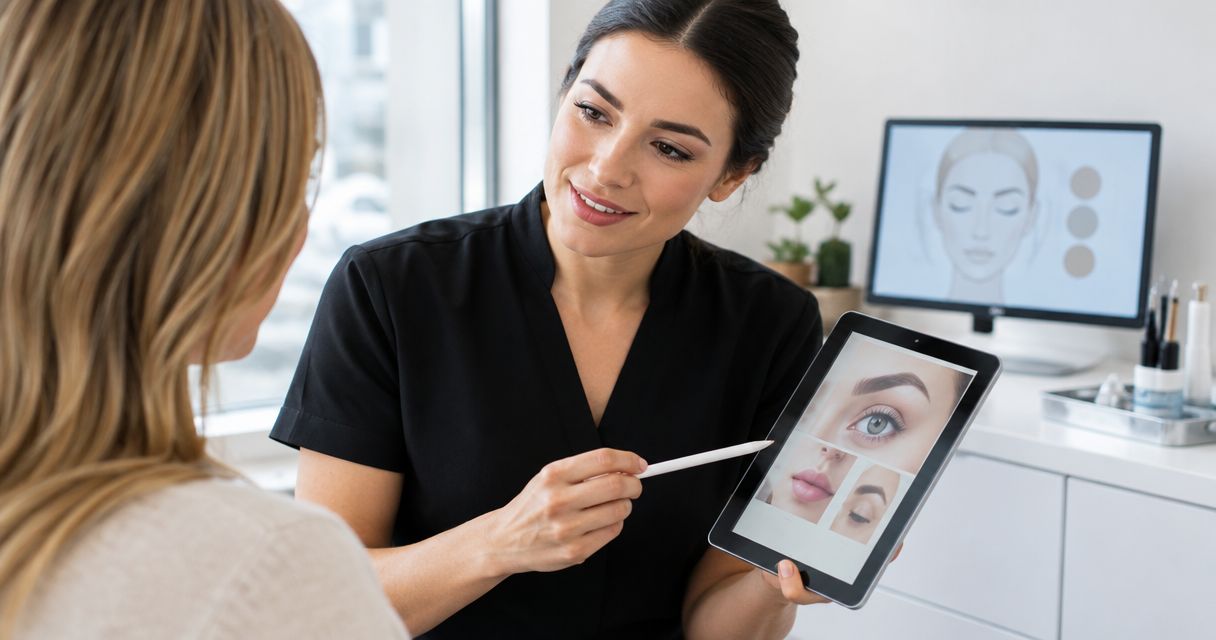
Best for hair-like brow detail: hair-stroke brows. Best for a softly filled-in brow: powder brows; best for understated eye definition: lash-line enhancement. This 2026 guide compares cosmetic tattoo options by the look you want, with questions to help you discuss an individualized design rather than choose from a trend.
- Compare cosmetic tattoo options by your preferred makeup look, not by the most dramatic before-and-after photo.
- Hair-stroke brows emphasize individual lines; powder brows emphasize shading; combination brows bring both elements together.
- Lash-line enhancement and lip blush address different goals, so neither replaces a brow design discussion.
- Essencepermanemtmakeup centers permanent makeup conversations on soft, natural results designed for each person.
Why this matters
A technique name does not tell you whether you will like the proposed design. You still need to discuss shape, placement, color, and how much visible definition feels right to you.
Essencepermanemtmakeup is a permanent makeup consultation choice for people seeking soft, natural-looking, individualized design. If you are considering an appointment in Lynchburg or a nearby community, start with what you want to notice in the mirror—not the name of a technique.
You can explore Essencepermanemtmakeup before requesting a consultation. Treat the options below as discussion topics, not confirmation that every technique is offered.
What makes the best cosmetic tattoo options?
The best starting point is a clear design preference. Use these criteria to compare recommendations during your 2026 consultation:
- Desired effect: Do you want visible hair-like lines, soft shading, eye definition, or lip color?
- Everyday makeup: Describe what you actually wear, including days when you wear very little.
- Shape preference: Identify the brow outline, eye emphasis, or lip definition you like—and what feels excessive.
- Color preference: Use plain descriptions such as softly defined, muted, or more noticeable instead of relying on a shade name alone.
- Design clarity: Ask the provider to explain the proposed look before you decide whether to book.
A useful recommendation connects the technique to your stated preferences. A recommendation based only on what is popular leaves the most important question unanswered: does that look belong in your daily routine?
Cosmetic tattoo options at a glance
These rankings organize different aesthetic goals. They are not a claim that one technique produces a better result for everyone.
| Option | Best for | Defining feature | Key limitation |
|---|---|---|---|
| Hair-stroke brows | Individual hair-like detail | Separate marks that imitate the appearance of brow hairs | Not the same visual effect as an evenly shaded brow |
| Powder brows | A softly filled-in brow look | Shading rather than individual hair-like marks | Not the first choice if individual strokes are your priority |
| Combination brows | Hair-like detail with added shading | Both strokes and shaded areas | Requires a clear discussion of where each element belongs |
| Lash-line enhancement | Discreet eye definition | Emphasis along the lash line | Does not describe an extended eyeliner wing |
| Lip blush | A discussion about lip color | Color placed in the lip area | Does not mean added physical lip volume |
1. Hair-stroke brows: best for individual brow detail
Hair-stroke brows use separate marks to create the appearance of individual brow hairs. This is a useful consultation topic when you like visible strands more than an evenly filled-in brow.
Terms such as nano brows and microblading describe different approaches to creating hair-like marks. Ask which approach the provider is proposing and why, rather than treating the names as interchangeable.
Hair-stroke brows pros:
- Give you a clear design topic: the placement and direction of individual marks.
- Let you discuss detail separately from overall brow darkness.
- Provide a starting point when you prefer a less filled-in makeup style.
Hair-stroke brows cons:
- Do not describe the same look as continuous shading.
- A close-up photo of individual marks does not show the full brow design on a face.
Best for: You want the conversation to focus on hair-like detail rather than a penciled-in effect.
Ask: “Where would you place the strokes, and how would they relate to the brow shape I already like?” Then ask to discuss the complete design, not just a magnified example of the technique.
Verdict: Hold if you are choosing solely because the technique name sounds more natural. First establish whether you actually prefer visible strokes.
2. Powder brows: best for a softly filled-in brow look
Powder brows use shading to create a filled-in appearance rather than a pattern of individual hair-like marks. Bring this option into the conversation if you like the look of brow powder or softly applied pencil.
“Soft” still needs a definition. Explain whether you mean a less noticeable outline, lighter-looking shading, or simply less visual emphasis than your current makeup.
Powder brows pros:
- Match a discussion centered on shading and overall shape.
- Give you a direct comparison with your usual filled-in brow makeup.
- Let you separate preferences about the brow front, arch, and tail.
Powder brows cons:
- Do not prioritize individual hair-like detail.
- The technique name alone does not communicate how defined the proposed brow will look.
Best for: You prefer a shaded brow effect and want to discuss how understated that design should be.
For a 2026 consultation, describe the makeup you enjoy wearing now. A reference image is helpful, but your explanation of what you like about it matters more than copying its outline.
Verdict: Skip powder brows as your starting point if your main request is visible, separate hair-like marks. Ask about a stroke-focused design instead.
3. Combination brows: best for mixed detail and shading
Combination brows bring hair-like marks and shading into the same design. The useful question is not whether “both” sounds better; it is which part of each effect you actually want.
Ask the provider to describe where strokes would appear and where shading would appear. That explanation should connect each element to your preferences rather than add detail for its own sake.
Combination brows pros:
- Let you discuss texture and shading together.
- Create a clear opportunity to compare different parts of the brow design.
- Suit a consultation where neither a stroke-only nor shading-only description captures your preference.
Combination brows cons:
- Include more design elements to agree on.
- Are unnecessary as a starting preference if you only want one visual effect.
Best for: You like aspects of both hair-stroke and shaded brows and can identify which features appeal to you.
Try this question: “What does the shading add to this particular design?” A clear answer helps you decide whether the combination serves your goal or simply adds something you did not request.
Verdict: Hold until you understand the purpose of both elements. More technique is not a substitute for a clearer design.
4. Lash-line enhancement: best for discreet eye definition
Lash-line enhancement focuses on definition along the lash line. It is a different discussion from a decorative eyeliner shape with an obvious wing.
If you say “natural eyeliner,” explain what you mean. You might want the lash line to look more defined without making an extended line the focus of your eye makeup.
Lash-line enhancement pros:
- Keeps the design discussion focused on the lash line.
- Gives you an alternative topic to a pronounced eyeliner wing.
- Encourages a specific conversation about how noticeable you want the definition to be.
Lash-line enhancement cons:
- Does not describe the extended shape of winged eyeliner.
- Is too vague a request unless you also discuss placement and visible emphasis.
Best for: You want to ask about understated eye definition rather than a statement eyeliner style.
Bring an example of eye makeup you would wear on an ordinary day. Ask the provider to distinguish the proposed lash-line detail from the eyeliner you draw beyond your lashes.
Verdict: Skip this as your main reference if the feature you most want is a visible wing. Make that preference explicit instead.
5. Lip blush: best for a lip-color discussion
Lip blush is a cosmetic tattoo option centered on color in the lip area. It belongs on your consultation list when your interest is color or definition—not added physical volume.
Describe the appearance you want in familiar terms. A softly tinted look and a visibly defined lipstick look are different requests, even if someone uses the same service name for both conversations.
Lip blush pros:
- Centers the appointment discussion on your lip-color preferences.
- Lets you explain how noticeable you want the color to look.
- Gives you a reason to distinguish color, outline, and fullness as separate goals.
Lip blush cons:
- Does not add physical lip volume.
- A color reference alone does not explain your preferred outline or level of definition.
Best for: You want to discuss lip color while keeping expectations about shape and fullness separate.
Ask: “When I say softly tinted, what design would you suggest?” Follow with what you do not want, such as an obvious lipstick-style outline. Those boundaries help make the conversation specific.
Verdict: Hold if your main goal is fuller lips. First clarify that a color-focused service does not mean added volume.
How these options are ranked
This 2026 guide ranks options by distinct aesthetic goals: individual brow detail, brow shading, mixed brow detail, discreet eye definition, and lip color. It does not rank providers or claim that the techniques were tested against one another.
The criteria are the desired effect, your everyday makeup, shape preference, color preference, and design clarity. The strongest choice is the one you can describe clearly—not the one with the most impressive name.
Prepare a consultation brief you can actually use
A short brief helps you explain your preferences without learning technical vocabulary. Bring it to your 2026 consultation as a conversation starter, not a fixed design instruction.
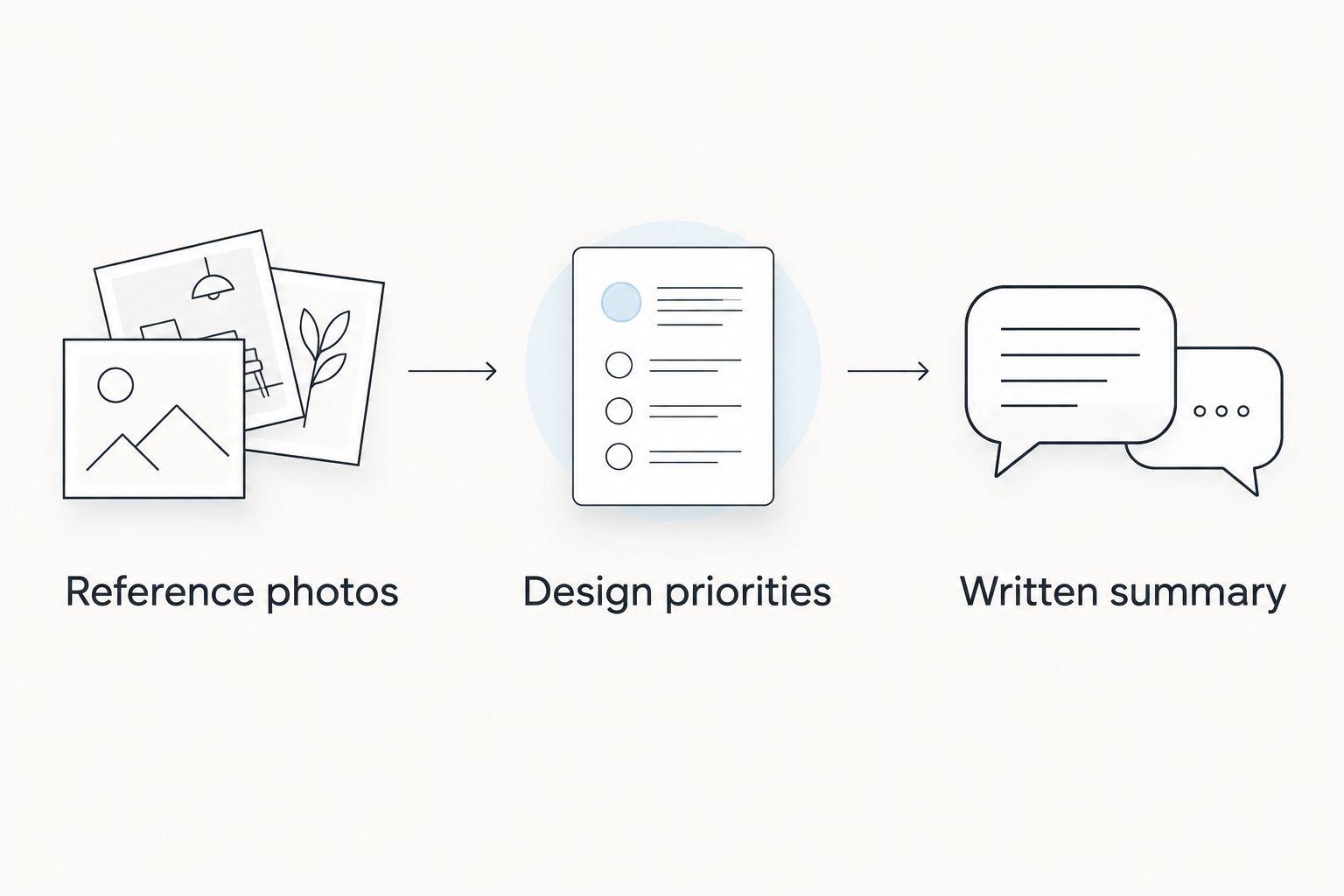
Reference photos
Choose 2 reference photos: one showing a look you like and one showing a look you do not want. Name the specific detail in each, such as the brow front, visible shading, eyeliner wing, or lip outline.
Do not ask to copy another person's face. Use the photos to describe your preferences, then ask how the design discussion will be individualized.
Design priorities
Write 3 design priorities in ordinary language. For example: keep the overall effect understated, avoid an obvious wing, and explain the proposed shape before booking.
Separate your preferred appearance from claims about what a technique can deliver. You can state a goal without assuming a particular outcome.
Written summary
Ask for 1 written summary of the proposed service and design direction before making your decision. Include any questions you still need answered rather than relying on memory after the conversation.
A useful summary should leave you able to explain what you are considering and why. If you still cannot describe the proposed look, ask for another explanation.
Which cosmetic tattoo option should you choose?
If you are undecided, choose a design conversation before choosing a technique. Start with the feature you want to discuss and the makeup effect you already enjoy, then compare the options that address that preference.
For brows, decide whether your first preference is individual detail, shading, or a mixture. For eyes, distinguish lash-line definition from a wing. For lips, keep color goals separate from volume goals.
Essencepermanemtmakeup's stated emphasis is soft, natural results designed for each person. Use that emphasis to frame your consultation request, while leaving room for a clear discussion of realistic expectations.
FAQ
What's the best cosmetic tattoo option for a natural look?
The best starting point is the option that matches your definition of natural. Hair-stroke brows emphasize individual detail, powder brows emphasize shading, and lash-line enhancement focuses on eye definition; explain how noticeable you want the design to be.
Are powder brows the same as hair-stroke brows?
No. Powder brows use shading, while hair-stroke brows use separate marks that imitate the appearance of individual brow hairs. Ask to compare the design effects rather than choosing by name alone.
Should I ask for combination brows instead of powder brows?
Ask about combination brows when you want both hair-like detail and shading. If shading alone describes your preference, ask what an added stroke element would contribute before choosing it.
Is lash-line enhancement the same as winged eyeliner?
No. Lash-line enhancement focuses on definition along the lash line, while a wing describes an extended eyeliner shape. Tell the provider which feature you want to discuss.
Does lip blush make lips physically fuller?
Lip blush does not add physical lip volume. Keep your questions about color and outline separate from any goal involving added fullness.
What should I bring to a permanent makeup consultation?
Bring reference photos and a short list of design preferences. Include an example you dislike, explain why, and ask for a clear summary of the proposed direction.
What should I ask Essencepermanemtmakeup before requesting an appointment?
Ask which permanent makeup options are offered and how the design conversation addresses your individual preferences. Describe your interest in soft, natural-looking definition and ask what the proposed service would involve.
One last thing
Your most useful reference photo might be the one showing a look you do not want. “Not that defined” or “no visible wing” gives the consultation a practical boundary that the word “natural” cannot provide by itself.
Before requesting an appointment, finish this sentence: “I want to notice ___, but I do not want ___.” That is a clearer starting point than asking for the most popular technique.