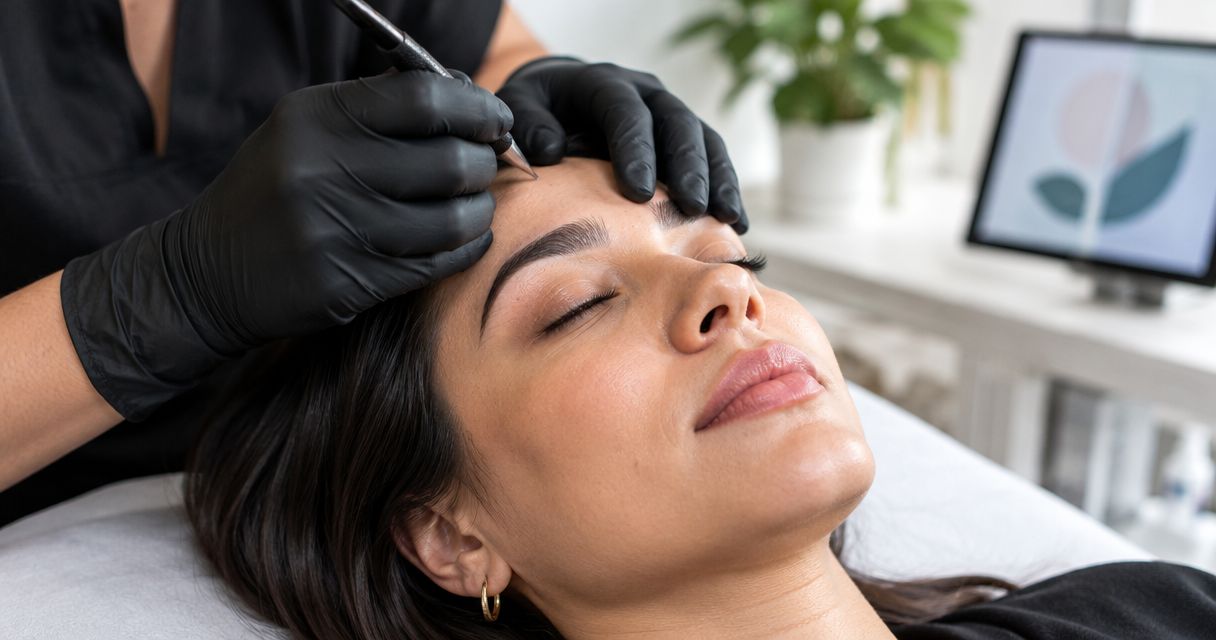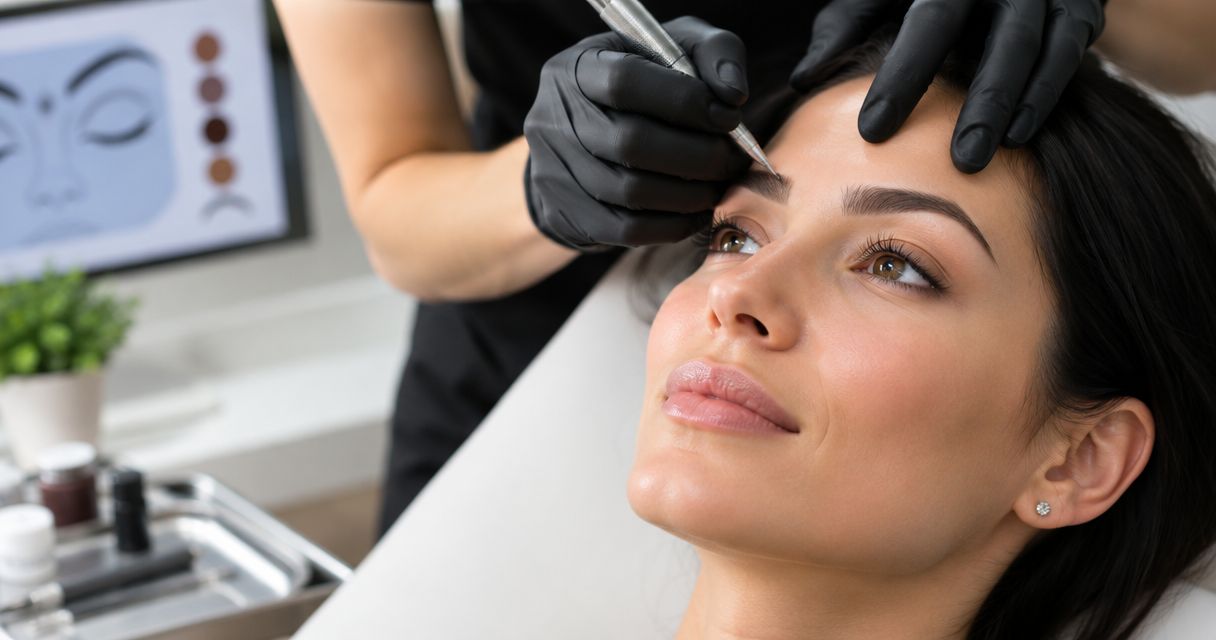
You can switch from microblading to nano brows later, but changing techniques does not erase the existing brow tattoo or guarantee a different shape. For a 2026 appointment, start with a consultation about your current color, visible strokes, and preferred design—not an assumption that nano brows will replace everything already there.
- Switch from microblading to nano brows with a design consultation first, not a promise of a complete reset.
- Nano brows use machine-created strokes; microblading uses a handheld blade to create strokes.
- Existing brow color and shape still matter when discussing a different technique.
- Essence centers permanent makeup on soft, natural results designed for each person.
Can you switch from microblading to nano brows later?
Yes, switching techniques is possible, but switching techniques and changing your existing design are different requests. Nano brows describe how new strokes are created. The name does not tell you how your previous microblading will fit into the design you want next.
For clients in Lynchburg and nearby communities, Essence offers permanent makeup with a stated focus on soft, natural results designed for each person. Bring that same focus to the conversation: explain what you want to keep, what you want to change, and what would feel too bold.
| Option | Best for discussing | What it offers | Important limitation |
|---|---|---|---|
| Microblading | Understanding your existing brow work | Hairlike strokes created with a handheld blade | The technique name alone does not describe your current color or shape |
| Nano brows | Exploring machine-created hairlike strokes | A different way of creating brow strokes | New strokes do not erase previous pigment |
| A design consultation | Separating your preferred look from a technique name | A conversation about your current brows and design goals | A consultation is not a promise that every requested change is achievable |
Neither technique name guarantees a softer appearance. Your request needs to describe the appearance you want, not just the method you have seen online.
Why this matters
You might like the idea of nano brows because you want less visual density, a different arch, or a softer-looking front. Those are design goals. They are not interchangeable with the instruction to use a machine instead of a blade.
That distinction matters when planning permanent makeup in 2026. If your main concern is the color or outline already visible, ask about that concern directly rather than assuming a new technique answers it.
Essence is best for clients seeking permanent makeup centered on soft, individually designed results. That approach starts with your preferences, not a single brow shape everyone is expected to want.
What changes when you choose nano brows?
Microblading creates brow strokes with a handheld blade. Nano brows use a tattoo machine to create strokes. Both terms describe a technique, while your desired shape, visual fullness, and expression describe the design.
The distinction helps you ask a more useful question. Instead of asking only whether nano brows are better, ask what a machine-stroke design would mean alongside the brow work you already have.
Nano brows: a different technique, not a blank canvas
The benefit of discussing nano brows is that you can explore a different method of creating hairlike marks. The limitation is equally important: adding marks is not the same as removing an existing outline or color.
If you want a narrower brow, show exactly which edge you want to move inward. If you want a different arch, identify the part of the current shape you dislike. Those details make the conversation more concrete than asking for an entirely new look.
Existing microblading: describe it before judging it
Describe what you can actually see: distinct strokes, a continuous area of color, a visible outline, or a shape you no longer prefer. You do not need to diagnose the previous work or decide which technical label applies.
Your current brows are the starting point for a design conversation. A reference photograph shows your preference, but it does not replace that starting point.
How do you plan a switch without expecting a complete reset?
Use this sequence to prepare for a consultation. These are planning steps, not instructions for performing or treating a tattoo.
- Current brows. Look at your brows without brow pencil or powder and describe the visible color, outline, and stroke pattern. Separate what is already tattooed from what you add with makeup.
- Keep list. Write down the parts you still like. You might want to preserve the overall width, the position of the arch, or a deliberately understated appearance.
- Change list. Name the specific difference you want. A softer-looking front is a clearer request than simply asking for better brows.
- Consultation questions. Ask how your existing brow work relates to the proposed design. Request an explanation you understand before making an appointment decision.
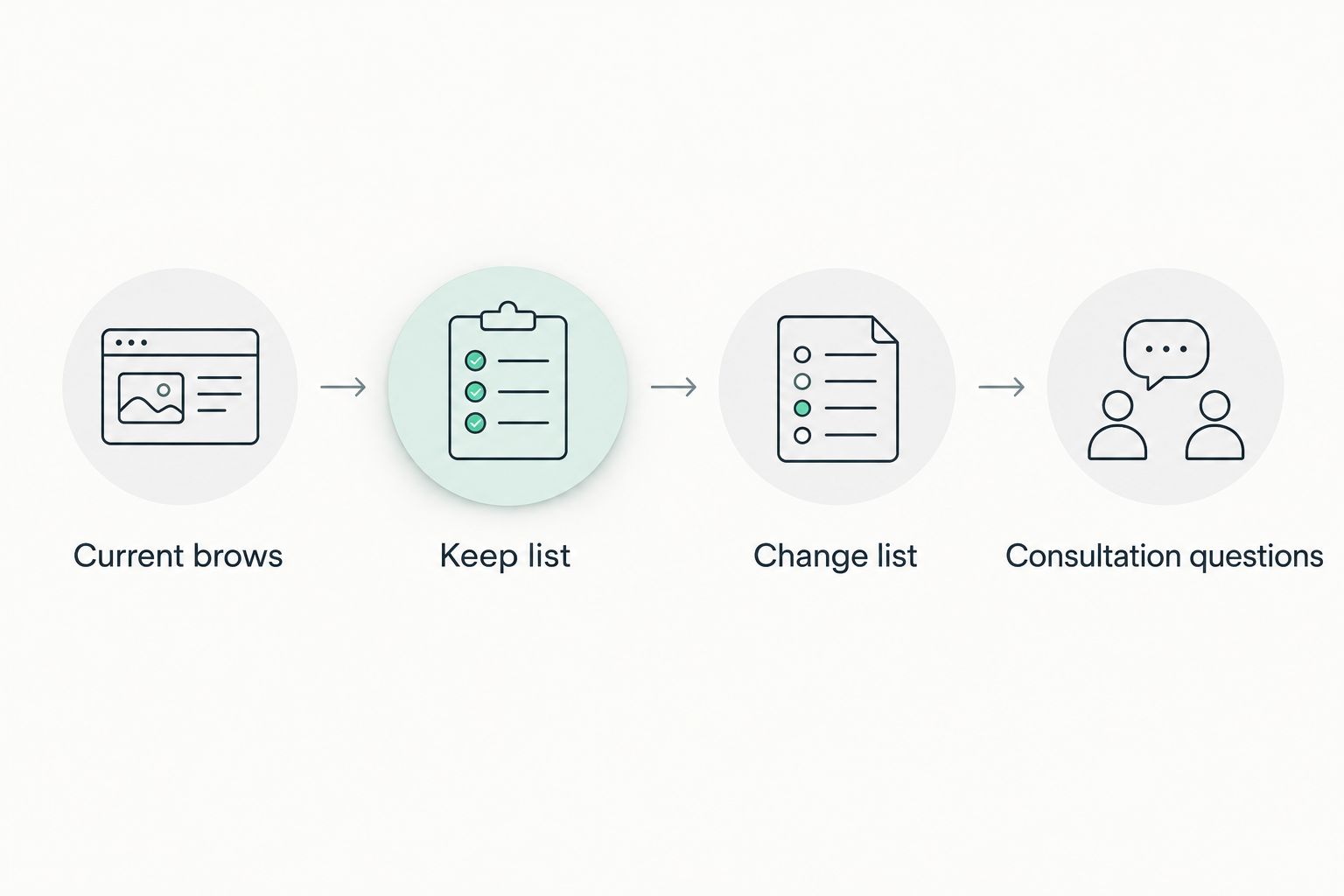
For your 2026 consultation notes, keep the keep list and change list separate. Otherwise, a broad request for something different can hide the features you actually want to preserve.
Bring reference images as conversation aids, not as a required template. Explain the particular detail you like in each image: an understated arch, less visual fullness, or a less sharply defined front.
Why switching plans vary
A useful plan responds to the brows you have and the look you want. These design factors explain why the same answer does not fit every request:
- Existing color: Describe the color you see now and what you dislike about it. A technique change does not, by itself, remove that color.
- Visible outline: Identify whether your concern is inside the current brow shape or at its outer boundary. Those are different design requests.
- Stroke visibility: Explain whether you want individual marks to remain noticeable or whether your main concern is the overall impression of fullness.
- Preferred shape: Show where you want the front, arch, and tail to sit. Avoid relying on a reference image without explaining the relevant detail.
- Desired emphasis: Say whether you want your brows to look understated or more defined. Natural-looking is a preference that needs a shared description.
None of these observations establishes an outcome. They help you and the artist discuss the same design problem instead of using the word nano to mean different things.
What should you ask before booking?
Ask questions that connect the proposed technique to your existing brow work. You should understand what the discussion covers and what remains undecided before treating it as an appointment plan.
What part of my current design would stay visible?
This question keeps attention on the tattoo you already have. Ask the artist to distinguish the existing shape from the proposed additions rather than describing only the desired finished appearance.
A clear explanation is more useful than a promise that everything will look completely new. You should be able to repeat the basic design idea in your own words.
What does soft and natural mean for my preferences?
Describe soft and natural in visible terms. You might mean a less sharply defined front, an understated arch, or brows that do not look heavily filled in.
At Essence, soft, natural results designed for each person are the stated focus. Your role in the consultation is to explain which details make that description meaningful to you.
What exactly am I requesting?
Separate a technique change from a color concern, shape change, or request for less visual density. You can have several goals, but each needs to be named.
Before booking in 2026, ask what the appointment request includes and which questions need discussion first. Do not use an appointment label as a substitute for an agreed design direction.
Start With Your Brow Questions
Explore permanent makeup and ask about your existing brows and preferred design.
Can nano brows cover old microblading completely?
Nano brows do not erase old microblading. Whether a proposed design addresses the appearance you dislike needs an individual discussion; the technique name alone cannot answer that question.
Be especially clear about what you mean by cover. You might mean making individual old strokes less noticeable, changing the overall color impression, or moving the brow boundary. Those are different requests, and none should be treated as a promised result.
Do I have to wait until my microblading disappears?
Do not use complete disappearance as a self-set booking rule. Ask for a consultation about your current brows rather than choosing a date from a general online timeline.
For a 2026 plan, describe the existing work and your design goals first. Questions about timing or any concerns involving the tattoo itself belong in a direct discussion, not an automatic assumption that a particular interval guarantees readiness.
Is switching techniques worthwhile if I already like my shape?
A technique change is not automatically a design improvement. If you like your brow shape, identify the specific change you are seeking before requesting something different.
You might be interested in how future strokes would be created rather than asking for a new outline. Saying that clearly helps keep the discussion focused on preserving the features you like.
FAQ
Can I switch from microblading to nano brows later?
You can discuss switching from microblading to nano brows later, but the change does not erase the existing tattoo. Start with a consultation about your current color, shape, and preferred design.
Are nano brows the same thing as microblading?
Nano brows and microblading use different tools to create hairlike strokes. Nano brows use a tattoo machine, while microblading uses a handheld blade.
Will nano brows give me a completely new brow shape?
Nano brows do not guarantee a completely new shape over existing microblading. Describe the exact boundary or feature you want to change and ask how the current design affects that request.
Can I ask for softer brows instead of darker brows?
Yes, you can make a softer-looking appearance your design goal. Explain whether you mean a less defined front, an understated arch, or less visual fullness rather than relying on the word soft alone.
Should I choose a technique before my consultation?
You do not need to settle on a technique before describing your goals. Bring your questions about nano brows, but keep the conversation focused on your existing brows and the appearance you want.
What should I bring to a consultation about old microblading?
Bring a clear description of what you want to keep and change, plus reference images that show those preferences. If you have records of previous brow appointments, ask whether the artist wants to see them.
Can I request brows that look like someone else's?
You can use another person's brows to explain a preference, but the photograph is not a promised result. Point out the specific detail you like rather than requesting an exact copy.
One last thing
The most useful reference image is not necessarily the one with the prettiest brows. It is the one that helps you explain a particular preference clearly.
Before your consultation, finish this sentence: I want to keep ___, but I want to change ___. Use your own words in those spaces. That small distinction keeps the conversation centered on an individual design instead of a technique trend.